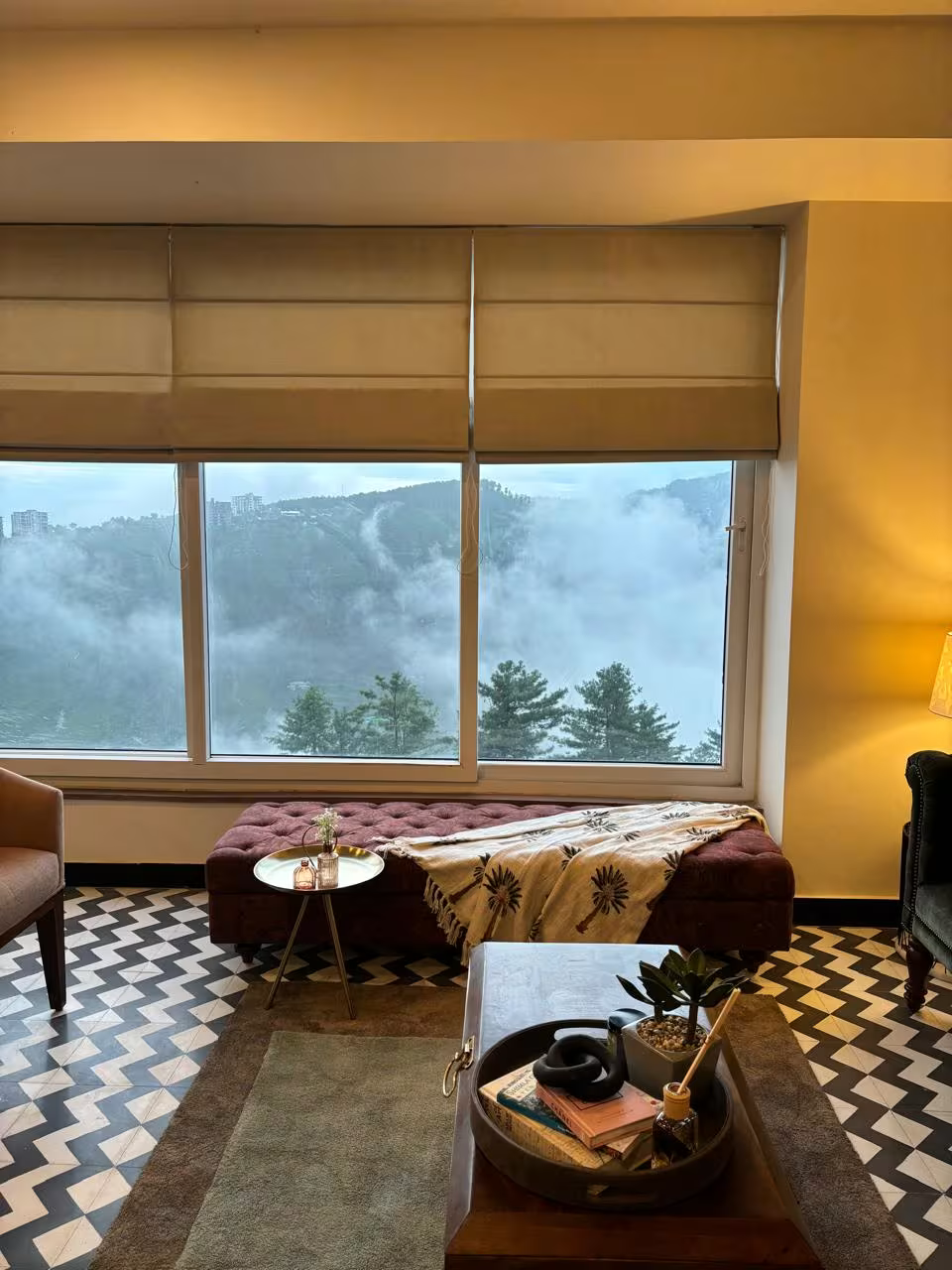
Author: Manoj T

  • Gated Community Flats in Shimla: Which Amenities Are Actually Worth Paying For

    Gated Community Flats in Shimla: Which Amenities Are Actually Worth Paying For

    Every brochure for a gated community in Shimla lists roughly the same set of amenities, and after a while they all start to blur together. But some of these genuinely change how livable a property is day to day, and some are mostly there to look good in a photo. Worth knowing the difference before amenities become a deciding factor in your budget.

    Why Gated Communities Make Sense in a Hill Town Specifically

    Security and shared maintenance matter everywhere, but they matter more in a hill town where you’re likely not present year-round. A gated community flat means someone is watching the property, handling upkeep, and dealing with the practical stuff- a burst pipe, a fallen branch after a storm, without a phone call from you being the trigger every time.

    The Amenities Worth Actually Evaluating

    Security and Access Control

    Round-the-clock security with proper access control is close to non-negotiable for a second home you won’t always be present in. Ask specifically how visitor access and deliveries are handled, not just whether there’s “a guard.”

    Clubhouse Facilities

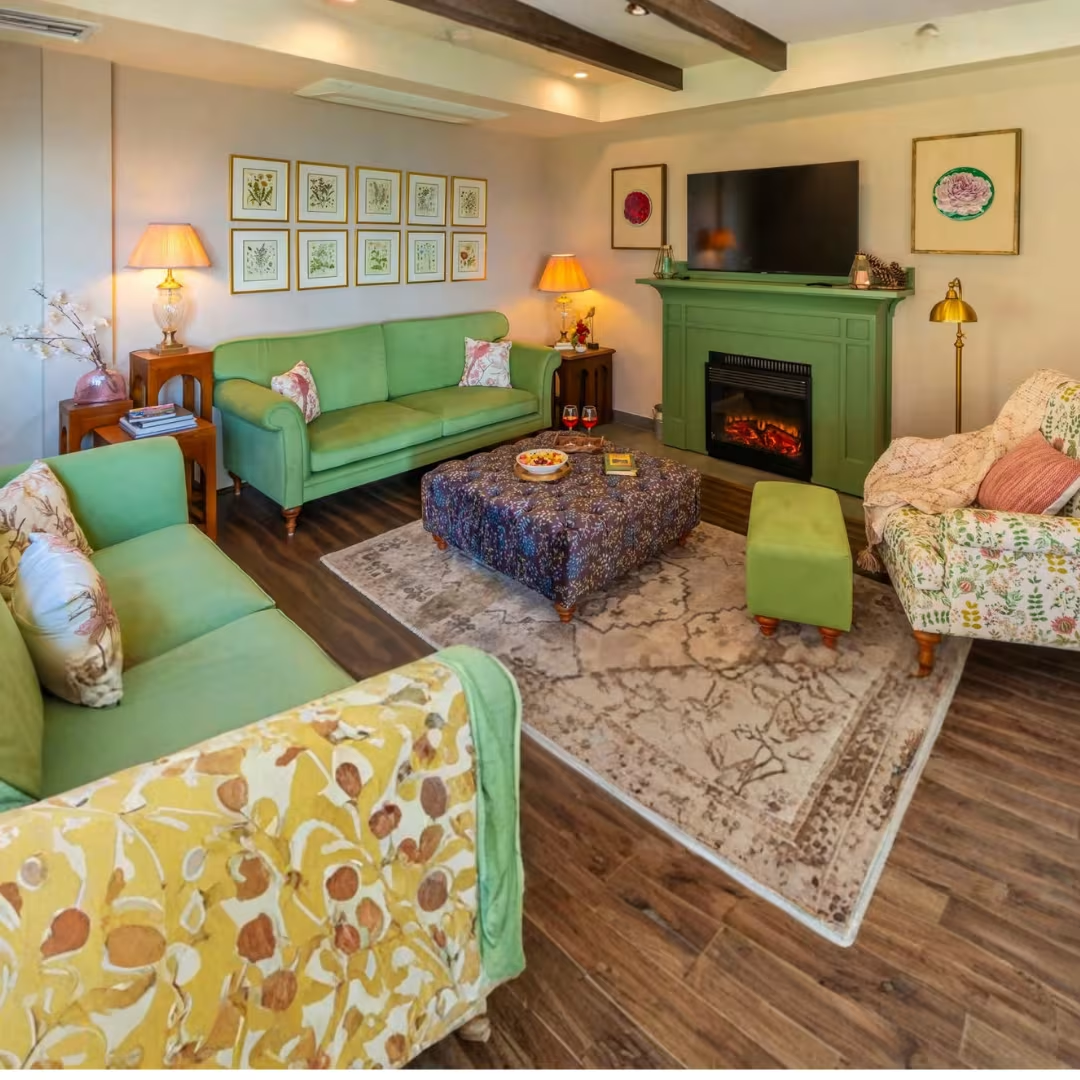
    Clubhouse apartments in Shimla often advertise a fitness space, a lounge, sometimes a spa. These genuinely add to daily life if you’re spending real time there, and they’re a meaningful part of what makes a property rentable to weekend guests too.

    Parking

    This sounds almost too basic to mention, but flats with parking in Shimla aren’t a given; the way they are in flat cities, hill terrain limits how much level parking a building can offer. Confirm dedicated parking, not just “parking available nearby,” before you buy.

    Pet Policies

    If you travel with a pet, or plan to bring one along on hill visits, check specifically for pet-friendly apartments in Shimla. Some gated communities restrict pets entirely or cap size and breed, worth knowing well before you’re emotionally attached to a specific unit.

    What Tends to Be Overhyped

    Elaborate common-area landscaping and marketing renders of “resort-style” everything are nice, but they don’t actually change your daily experience much if the basics security, maintenance responsiveness, and genuine amenity access aren’t solid underneath. It’s worth asking existing residents directly how maintenance requests actually get handled, rather than relying on the sales pitch.

    A Community Built Around the Essentials, Not Just the Photos

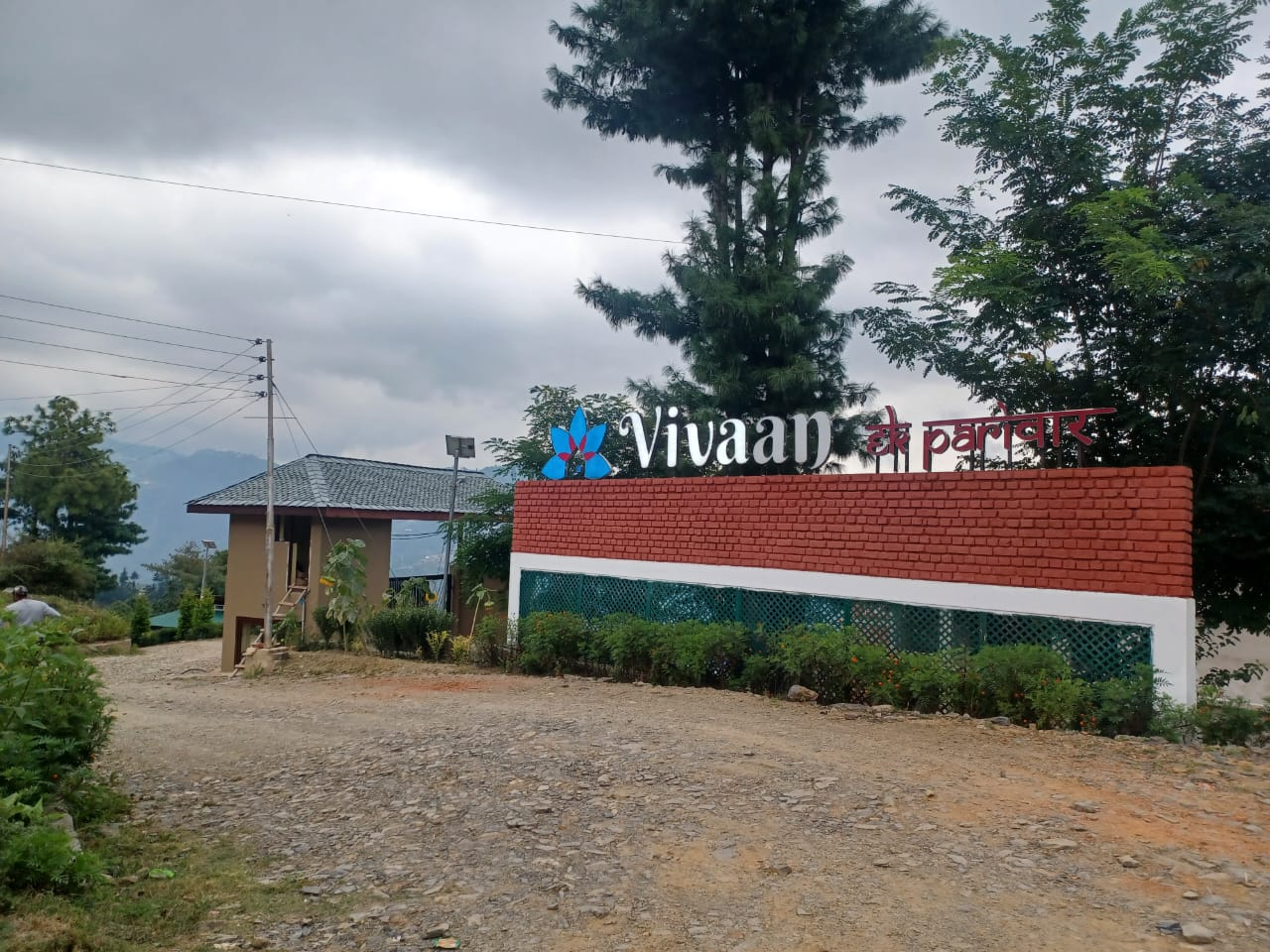
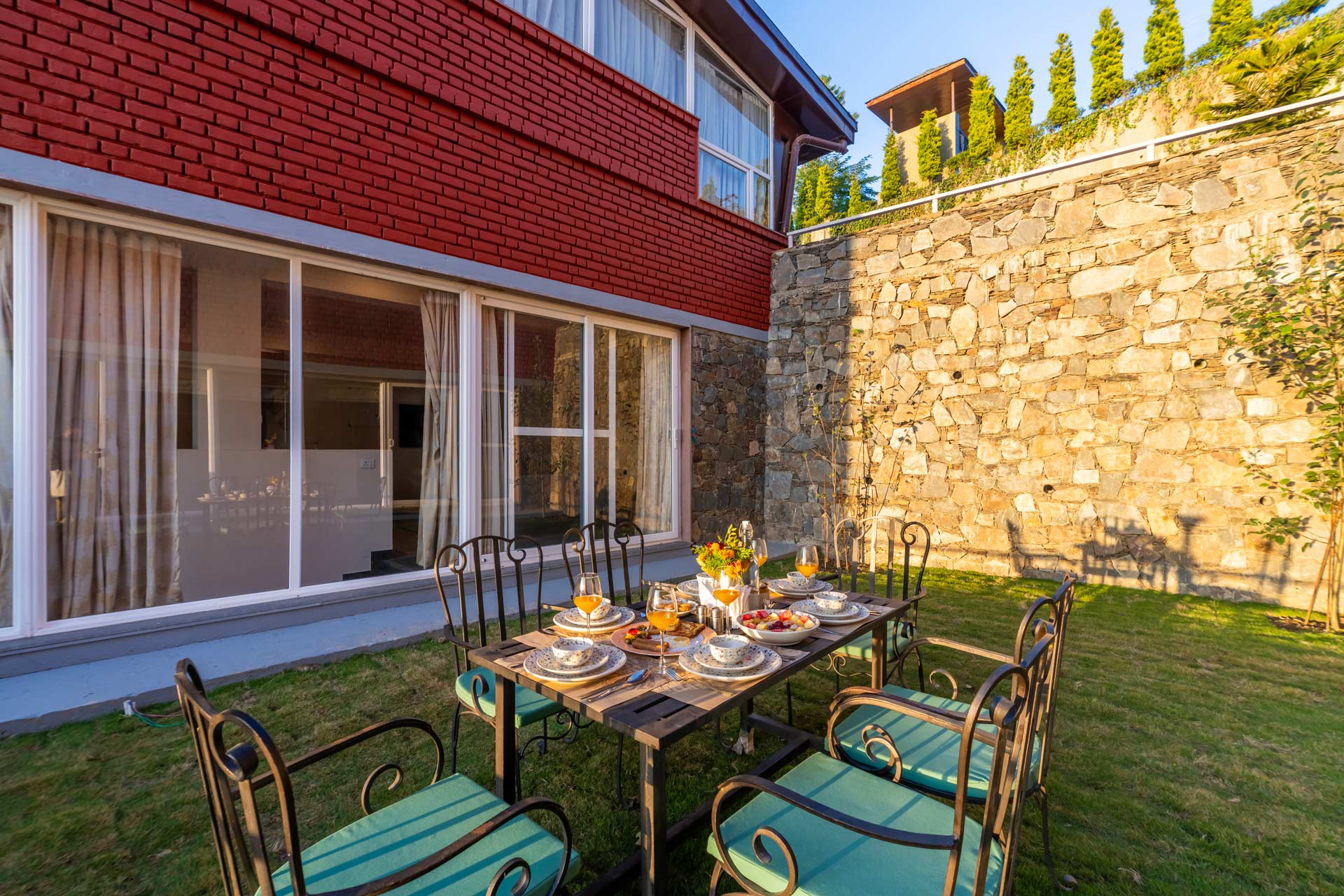
    Vivaan Ek Pariwar, in Village Saunl, Baldeyan, Shimla, is a gated, RERA-registered community offering a heated pool, in-house spa, fitness space, dedicated parking, round-the-clock housekeeping and security, and lift access across floors – the kind of amenity list built for how residents actually live, not just how a photo looks. Book a visit at vivaanekpariwar.in to judge it in person.

  • Second Home in Shimla: Are You Buying a Retreat or an Investment?

    Second Home in Shimla: Are You Buying a Retreat or an Investment?

    Almost everyone who starts looking at a second home in Shimla says the same thing early on – “it’s for us, but it’d be nice if it paid for itself too.” Fair enough. But a vacation home and investment property are actually two different buying decisions, and the properties that win at one don’t always win at the other. Worth sorting out which one you’re really prioritising before you start touring units.

    Two Different Mindsets, Two Different Properties

    Buying as a Vacation Home

    If the priority is personal use, weekends, holidays, a place that feels like yours the second you walk in, then things like a layout you love, the exact view from your balcony, and proximity to the spots you personally enjoy matter more than broad rental appeal. You’re optimising for how it feels, not how fast it rents.

    Buying as an Investment Property

    If the priority is income and appreciation, the calculus flips. You’re now thinking about what a wide pool of renters wants, not just what you want. Smaller, well-located units generally out-earn large, personally customised ones. Occupancy data, management fees, and appreciation trends in the specific micro-location start to matter more than your personal taste in the kitchen layout.

    Why Hill Station Property in India Behaves Differently

    Hill station property in India doesn’t move like flat-city real estate. Appreciation tends to be steadier and slower rather than a fast climb, and it’s heavily influenced by things that don’t apply in the plains: road connectivity through winter, how many months a year the location actually functions for visitors, and whether the town has real infrastructure or just seasonal tourist scaffolding.

    This is actually good news if you’re investing for the long term rather than trying to flip something in eighteen months. Investment property in the hills of India tends to reward patience over speculation.

    Can a Property Genuinely Be Both?

    Yes, but it depends heavily on the specific unit and project. A well-located flat in a professionally managed community can work as a personal retreat for part of the year and generate rental income the rest of it; the key is picking a property with genuinely broad rental appeal (not a niche, highly personalised unit) and a developer who actually offers rental management, rather than leaving you to figure that out solo from another city.

    Where the Two Goals Overlap

    Shimla, specifically, tends to work well for this dual approach; it has real, year-round infrastructure rather than a short peak season, which means a unit sitting empty half the year isn’t the default outcome the way it can be in more seasonal hill destinations.

    Vivaan Ek Pariwar, in Mashobra, is built around exactly this overlap: freehold, RERA-registered units from studio to 3 BHK, full resort-style amenities for when you’re using it personally, and professional rental management for when you’re not. Worth seeing in person: vivaanekpariwar.in.

  • Best Hill Station to Buy a Second Home: An Honest Shimla vs Manali Comparison

    Best Hill Station to Buy a Second Home: An Honest Shimla vs Manali Comparison

    Ask ten people trying to figure out the best hill station to buy a second home, and at least eight of them are choosing between Shimla and Manali. Both have loyal fans, both photograph beautifully, and both get pitched hard by developers on either side. Here’s a comparison that isn’t trying to sell you one over the other.

    Shimla vs Manali: Where They Actually Differ

    Year-Round Accessibility

    This is where Shimla pulls ahead pretty clearly. It maintains reasonably reliable road access through the year, while Manali and the areas around it can become genuinely difficult to reach during heavy snowfall, sometimes for stretches long enough to matter if you’re planning regular visits or need medical access on short notice.

    Town Infrastructure

    Shimla functions as a proper, established town year-round with markets, hospitals, schools and a real social life outside peak tourist season. Manali leans more heavily into a seasonal tourism identity, which is great for atmosphere during peak months but can feel noticeably quieter and less resourced the rest of the year.

    Property Market Maturity

    Shimla vs Manali property investment comparisons usually come down to this: Shimla’s market has a longer track record of RERA-registered, freehold-clear residential projects for outside buyers, while Manali’s market, though growing fast, has historically had more grey areas around land status and ownership clarity. That’s changing, but it’s still worth extra diligence in Manali specifically.

    Climate and Use Pattern

    Manali sits higher and colder, with a shorter comfortable window for most people. Shimla’s climate is milder across more of the year, which matters if you want a second home that’s usable in more than just peak summer and snow season.

    What “Near Shimla” Actually Covers

    If you’re specifically looking at property near Shimla rather than Manali, it’s worth knowing the immediate surrounding villages and neighbourhoods vary a lot; some offer a short, easy drive into town with genuine quiet and better air, while others trade that convenience for a much longer commute. Visiting a shortlisted location at different times of day, ideally in more than one season, tells you more than any listing will.

    Picking a Family-First Project

    If you’re buying specifically as a family, look for projects built around that use case rather than a purely investor-driven one, proper unit variety (so the property can grow with the family), real security, and amenities that work for both kids and grandparents rather than just a rooftop bar aimed at weekend groups.

    One Option Worth Comparing

    Vivaan Ek Pariwar, at Village Saunl, Baldeyan, close to Shimla town, is a RERA-registered, freehold project built with exactly that family-first range in mind: studios through 3 BHK, a heated pool, spa, and round-the-clock security and housekeeping. If you’re weighing it against Manali or elsewhere, a site visit is the fastest way to judge it properly: https://vivaanekpariwar.in.

  • Can a Non-Himachali Buy Property in Himachal Pradesh? Here’s the Real Answer

    Can a Non-Himachali Buy Property in Himachal Pradesh? Here’s the Real Answer

    This question comes up constantly, and the short answer is yes, but “yes, with conditions” is the honest version, and the conditions matter enough that skipping them causes real problems for buyers who find out too late.

    Why the Question Even Exists

    Himachal Pradesh has a state-specific law, Section 118 of the Tenancy and Land Reforms Act, that restricts non-residents from buying agricultural or non-urbanised land in the open market. It’s not aimed at blocking outside investment entirely; it’s meant to protect local land ownership from unchecked outside purchase of raw land. The practical effect, though, is that a lot of prospective buyers assume the whole state is off-limits to them. It isn’t.

    The Actual Workaround: RERA-Registered Projects

    Properties for non-Himachali buyers exist, and they exist legally, through developments that have gone through the correct zoning approvals and secured permission to sell freehold to buyers from outside the state. A RERA-registered residential project that’s done this groundwork can offer clean, freehold ownership, no workarounds, no grey areas, no relying on a relative’s name on the paperwork.

    What “RERA Registered” Actually Means

    Quick detour, because this term gets thrown around a lot without explanation. RERA registration means a project is registered under India’s Real Estate (Regulation and Development) Act, which requires developers to disclose project details, timelines, and land title status, and holds them accountable if they don’t deliver as promised. For a buyer, a RERA number isn’t just a badge on a brochure; it’s something you can independently verify on the state’s RERA portal, and you should, every single time, before signing anything.

    NRI Buyers: A Few Extra Things to Check

    NRI property investment in Shimla and elsewhere in Himachal generally follows the same freehold rules as any other non-resident Indian buyer, but there are a few additional practical points worth confirming.

    Payment and Repatriation

    Understand how payments need to be routed (typically through an NRE/NRO account) and what the rules look like if you ever want to repatriate sale proceeds later.

    Power of Attorney

    If you can’t be present for every step of the process, a properly drafted, notarised power of attorney lets a trusted person act on your behalf; get a lawyer to set this up correctly rather than using a generic template.

    Rental Management from Abroad

    A second home for NRIs in India only pays off if it’s actually usable when you’re not around. Ask specifically about the developer’s rental management setup, occupancy expectations, fee structure, and how payouts are handled, before you buy, not after.

    A Project Built With This in Mind

    Vivaan Ek Pariwar in Village Saunl, Baldeyan, Shimla, is RERA-registered (Registration No. RERAHPSHP08190058) and offers freehold ownership specifically to non-Himachali buyers, including NRIs, across studio to 3 BHK residences, with professional rental management available. Details and site visits at https://vivaanekpariwar.in.

  • Buying Property in Himachal Pradesh: A Guide That Skips the Sales Pitch

    Buying Property in Himachal Pradesh: A Guide That Skips the Sales Pitch

    There’s a reason property in Himachal Pradesh gets asked about constantly but bought carefully: the state has real, legally specific restrictions on who can own land here, and a lot of buyers only find that out after they’ve already fallen in love with a property. Here’s the version of this that starts with the rules, not the view.

    The Rule Most People Don’t Know About

    Himachal Pradesh restricts non-residents from buying agricultural or non-urbanised land outright, under Section 118 of the state’s Tenancy and Land Reforms Act. This is the single biggest thing that separates buying flats in Himachal Pradesh for sale from buying property almost anywhere else in India.

    The good news is this doesn’t block outside buyers entirely. It mostly blocks open land purchases. Freehold property in Shimla is still very achievable; it just needs to come through the right channel.

    How to Buy Property in Himachal Pradesh, Step by Step

    Step 1: Stick to RERA-Registered Residential Projects

    Projects that have secured the correct zoning and government approvals can legally offer freehold ownership to buyers from outside the state. Not every project has done this groundwork, so this isn’t optional homework; it’s the whole ballgame.

    Step 2: Verify the RERA Number Yourself

    Don’t take a sales brochure’s word for it. Look the registration number up on the state RERA portal directly. It takes a few minutes and it’s the single best filter for separating serious developers from everyone else.

    Step 3: Confirm Freehold in Writing

    Ask explicitly whether the ownership on offer is freehold or leasehold, and get it stated clearly in the sale agreement, not just described verbally on a site visit.

    Step 4: Get a Lawyer to Review Everything

    This one’s non-negotiable, and it’s not really specific to Himachal, but the extra layer of state-specific land law here makes it more important than usual.

    Picking the Right Builder

    There’s no shortage of names claiming to be among the top builders in Himachal Pradesh, and honestly, not all of them have earned it yet. A track record of completed, occupied projects tells you far more than a glossy render does. Ask to see finished buildings, not just the one currently under construction. Talk to existing residents if you can, they’ll tell you things the sales team won’t.

    Where This Gets Easier

    Vivaan Ek Pariwar in Mashobra, Shimla, is a RERA-registered project (Registration No. RERAHPSHP08190058) that already offers freehold ownership to non-Himachali buyers, so a lot of the groundwork described above is already handled. Unit options run from studio through 3 BHK, with full amenities and professional management. Worth a visit if Shimla’s on your list: https://vivaanekpariwar.in.

  • New Projects in Shimla: What’s Changing in 2026, and Is a Villa Actually Worth It?

    New Projects in Shimla: What’s Changing in 2026, and Is a Villa Actually Worth It?

    Shimla’s real estate scene has picked up noticeably over the last couple of years, and it’s not hard to see why: better road connectivity, a growing appetite among Delhi and Chandigarh buyers for a genuine hill escape, and a wave of newer, better-built projects that finally treat mountain construction like mountain construction, instead of a plains blueprint dropped onto a slope. If you’re tracking new projects in Shimla heading into 2026, here’s what’s actually worth paying attention to.

    What’s Different About the 2026 Wave of Projects

    Compared to older Shimla developments, the newer crop tends to lean harder into managed amenities- think heated pools, in-house spas, professional housekeeping- rather than just four walls and a view. Part of this is developers responding to a buyer base that increasingly wants a second home they can actually rent out or hand off to a management team when they’re not there, not a property that needs a caretaker call every other week.

    There’s also more attention now to RERA compliance and freehold property for non-Himachali buyers, which used to be a genuine grey area that scared off a lot of outside interest.

    Villa or Flat? The Honest Comparison

    Space and Privacy

    A villa for sale in Shimla wins here, hands down. No shared walls, your own garden or terrace, more room to spread out. If privacy and space are non-negotiable, this is the category to look at.

    Maintenance

    This is where villas start to lose ground for a lot of buyers. Somebody has to manage the roof, the drainage, the garden, the security, and if you’re not in Shimla most of the year, that somebody is either you making calls from another city, or a management arrangement you’ll need to set up and pay for separately.

    Cost

    Villas generally carry a higher price tag and higher upkeep. A flat in a managed community spreads those costs across residents and folds them into predictable maintenance fees, which a lot of second-home buyers find easier to plan around.

    Rental Potential

    Flats in well-located, professionally managed projects tend to rent out more easily and more consistently than standalone villas, simply because the demand pool- couples, small families, short weekend groups- skews toward that format.

    So Which One’s Right?

    If you’re planning to spend long stretches of time in Shimla yourself and don’t mind the hands-on side of ownership, a villa can be genuinely rewarding. If you want a second home that mostly runs itself and can earn its keep when you’re not using it, a flat in a managed residential project is usually the more practical call.

    One Project Doing This Well

    Vivaan Ek Pariwar, at Mashobra, is one of the newer RERA-registered residential projects in this 2026 wave with freehold ownership, studio to 3 BHK, and a full amenity set including a heated pool, spa, and round-the-clock housekeeping, so the “who’s managing this when I’m not around” question is already answered. Site visits are available at vivaanekpariwar.in

  • Flats in Shimla: What to Actually Look For Before You Buy

    Flats in Shimla: What to Actually Look For Before You Buy

    Search for flats in Shimla and you’ll get a flood of listings within minutes – some genuine, some recycled photos from a completely different project, and a fair number where the “2 BHK” in the title turns out to be something closer to a large studio once you’re standing in it. So before getting into what makes a good flat, it’s worth saying this plainly: Shimla’s property market rewards patience and punishes anyone buying off a brochure alone.

    Why Shimla Isn’t Like Buying an Apartment in a Flat City

    A flat in Delhi or Chandigarh sits on level ground, faces a street, and mostly looks the way it’s photographed. Apartments in Shimla are a different story. The town is built on a slope, sometimes a steep one, and that changes almost everything about how a property actually lives day to day — which floor you’re on, which direction it faces, how far you’ll be walking from the car to your front door.

    None of this shows up clearly in a listing. It shows up when you visit.

    What to Check Before You Commit to Any Property in Shimla

    Orientation and Light

    A south-facing flat gets real winter sun. A north-facing one, even a few metres away in the same building, can feel noticeably colder and darker. Ask directly — don’t assume.

    Road and Parking Access

    Some residential property in Shimla involves a genuine uphill walk from where you park. That’s fine if you know it going in. It’s a nasty surprise if you don’t.

    Hill towns have historically had patchier utilities than the plains, though this has improved a lot in well-developed areas. Still, ask specifically about backup water storage and power backup rather than taking “it’s fine” at face value.

    A flat for sale in Shimla from an established, RERA-registered developer with a completed project history is a very different bet than one from a newer, unproven outfit. Ask to see other finished projects, not renders.

    Ready-to-Move vs Under Construction

    If you want certainty over what you’re getting, a ready-to-move flat removes the guesswork: you walk in, you see it, you buy it. Under-construction property can be cheaper and gives you more say in finishing choices, but it also means trusting a timeline, and hill construction timelines have a way of slipping more than plain ones, thanks to weather windows and material transport.

    New Builds vs Older Buildings

    Older Shimla buildings often have character and central locations, but plumbing, insulation, and structural upkeep can be genuinely tired. Newer residential projects tend to be built with better drainage, insulation, and increasingly proper seismic considerations, which matters more in a hill town than people realise until they’ve lived through a rattling monsoon night.

    A Project Worth Knowing About

    If you’d rather skip the guesswork entirely, Vivaan Ek Pariwar at Village Saunl, Baldeyan, is a RERA-registered project offering freehold flats from studio to 3 BHK, with the kind of managed amenities, housekeeping, security, and a heated pool that take a lot of the “who do I even call about this” stress out of owning a flat you’re not physically in every week. Worth a site visit if Shimla is on your shortlist: https://vivaanekpariwar.in

  • Retire in the Hills: Why Shimla Is Becoming India’s Favourite Destination for Early and Senior Retirement Living

    Retire in the Hills: Why Shimla Is Becoming India’s Favourite Destination for Early and Senior Retirement Living

    There is a moment that comes to many people in their late fifties or early sixties, sometimes earlier, when the city they have built their career in starts to feel like too much. The traffic, the noise, the air, the pace. A feeling that the trade-offs you accepted in your thirties no longer feel acceptable now. That is the moment a lot of people start seriously thinking about hill station retirement living. And increasingly, that thinking is turning into action, with many choosing to retire in Shimla specifically.

    Why Retirement Migration to Hill Stations Is Growing

    India does not have a strong cultural tradition of planned retirement migration, but that is changing fast. Two things are driving it. First, a generation of well-travelled, financially independent professionals have seen retirement done differently elsewhere and want something similar. Second, the reality of urban ageing is setting in: cities designed for productivity are often poorly suited to the rhythms of life after sixty. Long commutes, pollution, crowded hospitals, and noise do not get easier with age.

    Hill stations like Shimla offer a natural antidote. Cooler temperatures mean less heat stress, a genuinely significant health factor for older adults. Lower pollution reduces the burden on the cardiovascular and respiratory system. The slower pace of community life, the presence of walking trails and open spaces, and the general reduction in sensory overload all contribute to a measurably better quality of daily life.

    What Retirees Actually Need in a Home

    The requirements for a retirement home in Shimla are specific, and they differ meaningfully from what a younger buyer might prioritise.

    Accessibility is paramount. Lift access within the building, step-free common areas, and proximity to medical facilities are non-negotiable for older residents. A property on the third floor of a walk-up building that works fine in your forties becomes a genuine problem a decade later.

    Security matters more when you are living alone or as a couple. Gated communities with 24×7 monitoring and controlled access give families peace of mind, especially for retirees whose children live in other cities.

    Community is underappreciated as a factor, but it is one of the most significant. Loneliness is a genuine health risk for older adults. Living among peers, people at similar life stages, with time and inclination for morning walks, shared meals, and conversation, has documented positive effects on mental health and longevity.

    Low-maintenance living is essential. Older residents do not want to be managing plumbers, security guards, and gardeners. A professionally managed residential community removes that burden entirely.

    Shimla’s Practical Advantages for Retirees

    Not all hill stations are equal when it comes to retirement practicality. Shimla stands out for a few specific reasons.

    Shimla has Indira Gandhi Medical College and Hospital, along with several private hospitals and specialty clinics. For a hill station, this is an unusually strong medical infrastructure.

    Some hill destinations become difficult or impossible to access in heavy snowfall. Shimla maintains reasonably reliable road access year-round, which matters when medical appointments or family visits need to happen on a schedule.

    Shimla’s temperature range is moderate by hill station standards. Summers are pleasantly cool, ideal for elderly residents escaping plains heat, while winters are cold but manageable, particularly within a well-constructed, centrally heated residence.

    Shimla functions as a proper town with markets, restaurants, cultural events, and a social life. This matters enormously for retirees who want engagement with the world, not just withdrawal from it.

    Vivaan Ek Pariwar: Designed for Long-Term, Comfortable Living

    Several features at Vivaan Ek Pariwar align naturally with what retirees need. Lift access across floors means mobility limitations do not become barriers. Round-the-clock security and 24×7 housekeeping mean professional support is always present. The in-house spa, heated pool, and wellness spaces mean residents do not need to travel to access the things that support healthy ageing.

    Existing residents include retired IRS and IAS officers, which speaks to the community profile: people accustomed to a certain standard of living and community, who have chosen Vivaan as their hillside address.

    Planning Your Retirement Move: Practical Steps

    If you are seriously considering choosing to retire in Shimla, a few practical steps are worth taking before committing.

    Spend time in the location across different seasons. A place that is perfect in October may feel very different in January, so a site visit, ideally including an extended stay, gives you a much more accurate picture than a weekend trip.

    Think about your support network too. Is there family you want to be near? How far are you comfortable being from a major city? What is the medical situation relative to your specific health needs?

    It also helps to understand the ownership structure. Freehold versus leasehold, what is included in maintenance fees, and how the community is managed are details that determine whether the arrangement works for you financially over the long term.

    Finally, visit in person before deciding. There is no substitute for standing in the apartment, walking the grounds, and talking to existing residents. Vivaan Ek Pariwar offers site visits for this exact purpose. Book one at vivaanekpariwar.in.

  • Studio Apartment in Shimla: Why It Might Be the Smartest Way to Buy In the Hills

    Studio Apartment in Shimla: Why It Might Be the Smartest Way to Buy In the Hills

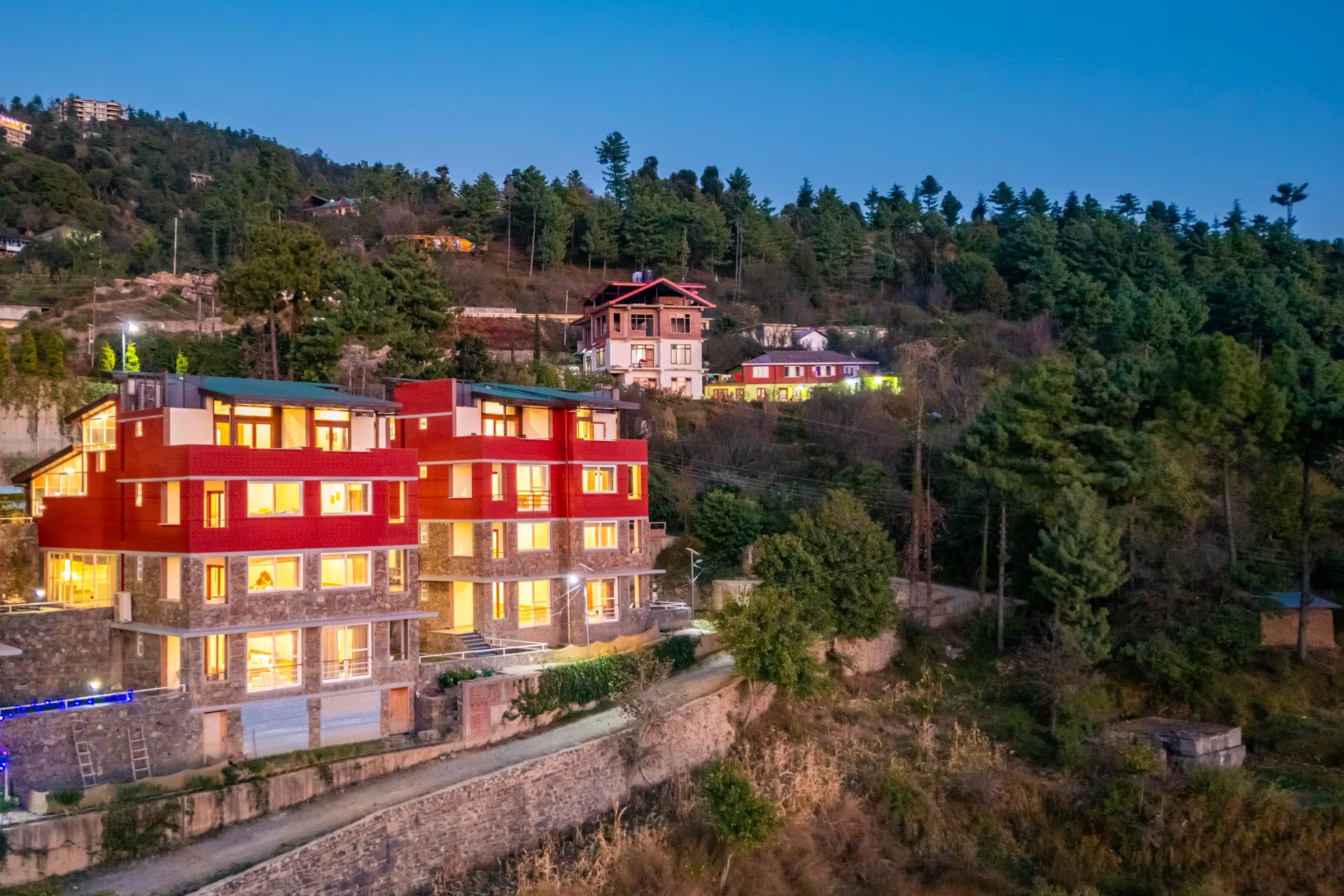
    When people picture a hillside second home, they often picture something large, a sprawling cottage or a multi-bedroom apartment with room for the whole family. But for a significant number of buyers, a studio apartment in Shimla is actually the smarter starting point: lower cost, lower maintenance, and a genuine foothold in the hills without the financial stretch of a larger unit.

    The Case for Starting Small

    A studio apartment lowers the barrier to owning hill property considerably, both in upfront cost and ongoing maintenance. For buyers who are testing whether hill living genuinely suits them, or who simply do not need or want a large space, a studio removes a lot of the financial pressure that comes with a bigger purchase.

    It also tends to be the easiest unit type to manage from a distance. Less space means less to clean, less to maintain, and a simpler proposition when you are not physically present for long stretches of the year, which describes most second-home owners, at least initially.

    Who a Studio Apartment Actually Suits

    Studios work particularly well for solo buyers and young professionals looking for a personal hill retreat without family-sized space requirements. They also suit couples who prioritise simplicity over square footage, and investors who are primarily interested in the rental income potential of hill property rather than personal extended stays.

    They tend to be less suitable for larger families who plan to use the property together regularly, or for buyers who expect to host visiting relatives frequently. In those cases, a 1 BHK or 2 BHK is usually the better fit.

    The Investment Angle: Studios and Rental Demand

    Studio apartments generally have strong rental appeal in hill destinations, since a large share of tourist and weekend travel demand comes from couples, solo travellers, and small groups who do not need multi-bedroom space. This makes a studio apartment in Shimla a genuinely attractive entry point for buyers whose primary interest is rental income rather than personal residence.

    The lower purchase price also means a comparatively lower entry point into hill real estate overall, which matters for first-time investors who want exposure to the segment without committing to a larger-unit budget.

    What to Check in a Studio Before Buying

    Layout efficiency matters enormously in a studio. A well-designed studio makes a compact footprint feel spacious, while a poorly designed one can feel cramped even at a similar size. So, check natural light, storage provisions, and how the kitchen and living space are separated, if at all.

    It is also worth confirming what amenities are shared versus what is inside the unit itself. In a well-managed community, shared amenities like a pool, spa, or fitness space can meaningfully extend what a compact studio offers day-to-day.

    Vivaan Ek Pariwar: Studio Options With Full Amenities

    Vivaan Ek Pariwar in Village Saunl, Baldeyan, Shimla offers studio residences as part of a unit range that also includes 1 BHK, 2 BHK, and 3 BHK options, so buyers can start small without giving up access to the project’s full amenity set. The project is RERA-registered (Registration No. RERAHPSHP08190058) and offers freehold ownership, including to non-Himachali buyers.

    Studio owners at Vivaan have full access to the heated pool, in-house spa, fitness space, food and beverage facilities, and round-the-clock housekeeping and security. The compact footprint of the unit does not mean a compact lifestyle. Professional rental management is also available, which makes the studio option particularly relevant for buyers approaching this as an entry-level investment into hillside residency.

    Take the Next Step

    A studio is easiest to evaluate in person, where its layout and light can be judged properly rather than guessed at from a floor plan. Vivaan Ek Pariwar offers site visits for prospective buyers. Book one at vivaanekpariwar.in.

  • Vacation Homes in Shimla: A Season-by-Season Guide to Getting the Most Out of Yours

    Vacation Homes in Shimla: A Season-by-Season Guide to Getting the Most Out of Yours

    One advantage Shimla has over many other Indian hill destinations is that it does not really have an off-season. Every part of the year offers something different, provided your vacation home in Shimla is actually built to handle the range. Here is a season-by-season look at what owning a vacation home in Shimla is really like, and what to check for so your property works for you in every one of them, not just the postcard-perfect months.

    Why Shimla Works as a Vacation Destination All Year

    Many hill destinations effectively function for four or five months a year, either because of extreme weather, difficult access, or a lack of off-season infrastructure. Shimla is different. It maintains reasonably reliable road connectivity through the year, has enough town infrastructure to function outside peak tourist months, and offers a genuinely distinct experience in each season rather than a single repeated one.

    This matters enormously for vacation homes in Shimla specifically, since a property that only works for six weeks a year is a very different financial and lifestyle proposition than one you can use, or rent out, across the calendar.

    Summer: Escaping the Plains Heat

    Summer is Shimla’s best-known season, and for good reason. While the plains swelter, Shimla’s elevation keeps daytime temperatures comfortable and evenings genuinely cool. This is peak vacation-home season for most owners, and also peak rental demand if the property is managed for income, since it is when the largest number of families are actively seeking hill escapes.

    Monsoon: The Underrated Season

    Monsoon in Shimla is quieter and less crowded. For owners who value the property as a personal retreat rather than purely a rental asset, it can be one of the most rewarding times to visit – the hillsides turn a deep green, the air is exceptionally clean after rain, and the town is noticeably calmer. It does mean checking that the property has solid waterproofing and drainage, since this is the season that tests construction quality most directly.

    Winter: Snow, Fires, and Slower Days

    Winter brings snow to Shimla, which is a major draw for vacationers seeking an experience unavailable in most of India, and a strong secondary rental season if the property is professionally managed. For owners, winter is when heating, insulation, and reliable power backup stop being nice-to-haves and become essential. A poorly insulated property is genuinely uncomfortable in a Shimla winter, while a well-built one is cosy and manageable.

    What a Good Vacation Home Needs to Handle All Four Seasons

    A vacation home built for year-round use needs solid waterproofing and drainage for monsoon, proper insulation and reliable heating for winter, and dependable power backup across all seasons. It also needs professional housekeeping so the property is ready whenever you or your guests arrive, rather than needing a clean-up visit first. Rental management support matters too, if you want the property working for you in the months you are not personally using it.

    Vivaan Ek Pariwar: Built for Every Season

    Vivaan Ek Pariwar at Village Saunl, Baldeyan, Shimla is designed with year-round use in mind rather than just peak-season appeal. The project is RERA-registered (Registration No. RERAHPSHP08190058) and offers freehold studio, 1 BHK, 2 BHK, and 3 BHK residences with a heated pool usable across seasons, round-the-clock housekeeping and security, and on-site food and beverage facilities.

    Professional rental management means the property can generate income across Shimla’s multiple demand seasons: summer, snow season, and long weekends throughout the year, rather than sitting empty outside a narrow window. For owners, that combination of comfort and consistent income potential is what separates a genuine vacation home from a property that only earns its keep for a few weeks a year.

    Plan Your Visit

    The best way to judge whether a property can handle every Shimla season is to see it and ask specific questions about waterproofing, heating, and power backup. Vivaan Ek Pariwar offers site visits for exactly this purpose. Book one at vivaanekpariwar.in.
  • Hillside Homes in Shimla: What Daily Living Actually Feels Like, Day to Day

    Hillside Homes in Shimla: What Daily Living Actually Feels Like, Day to Day


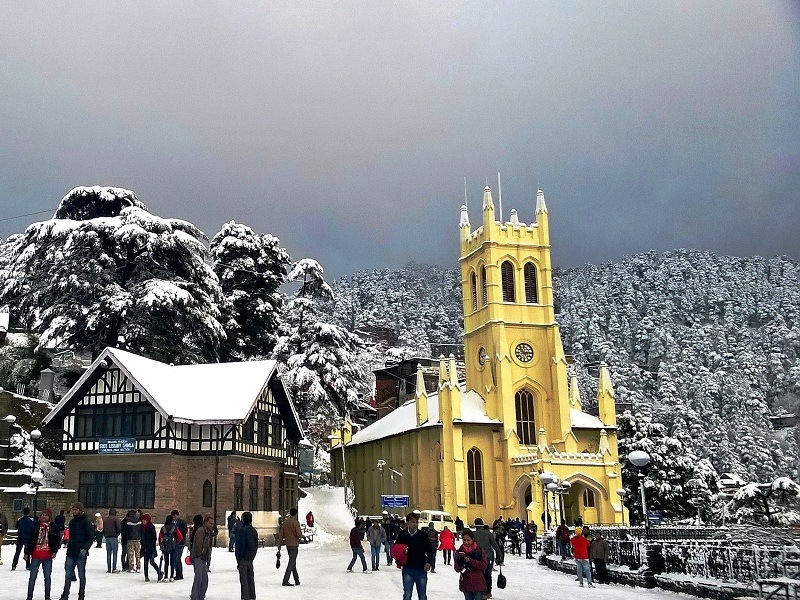
    Brochures for hillside homes tend to lead with the view, and it is easy to see why a wall of glass looking out over pine ridges photographs beautifully. But anyone who has actually lived in a hillside home in Shimla will tell you the view is the least interesting part of the story after the first month. What actually shapes your day is the terrain, the light, the way sound travels, and how the home is built to work with the slope rather than against it. So, if you are seriously considering a hillside residence in Shimla, it helps to know what you are really signing up for.

    The View Is Only the Beginning

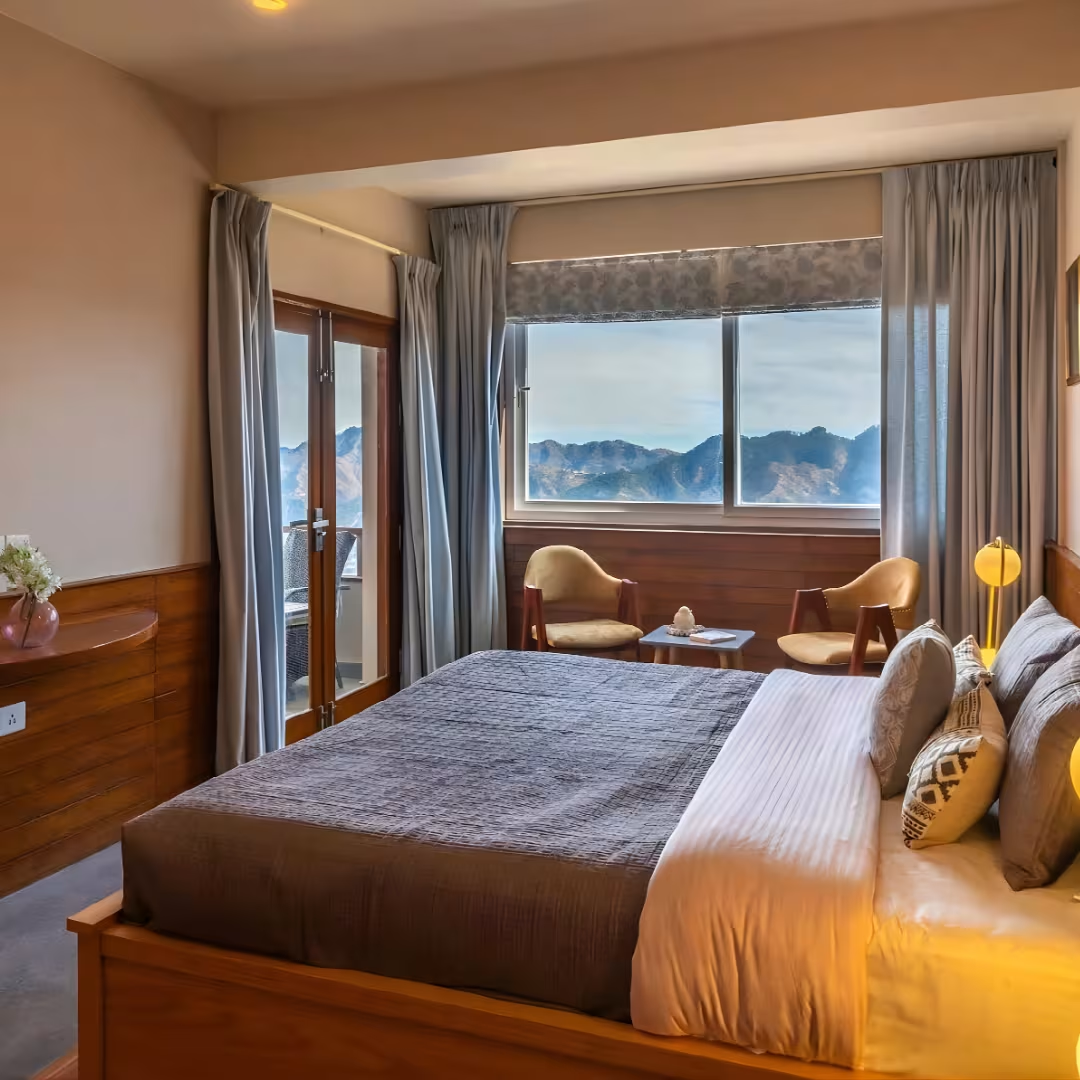
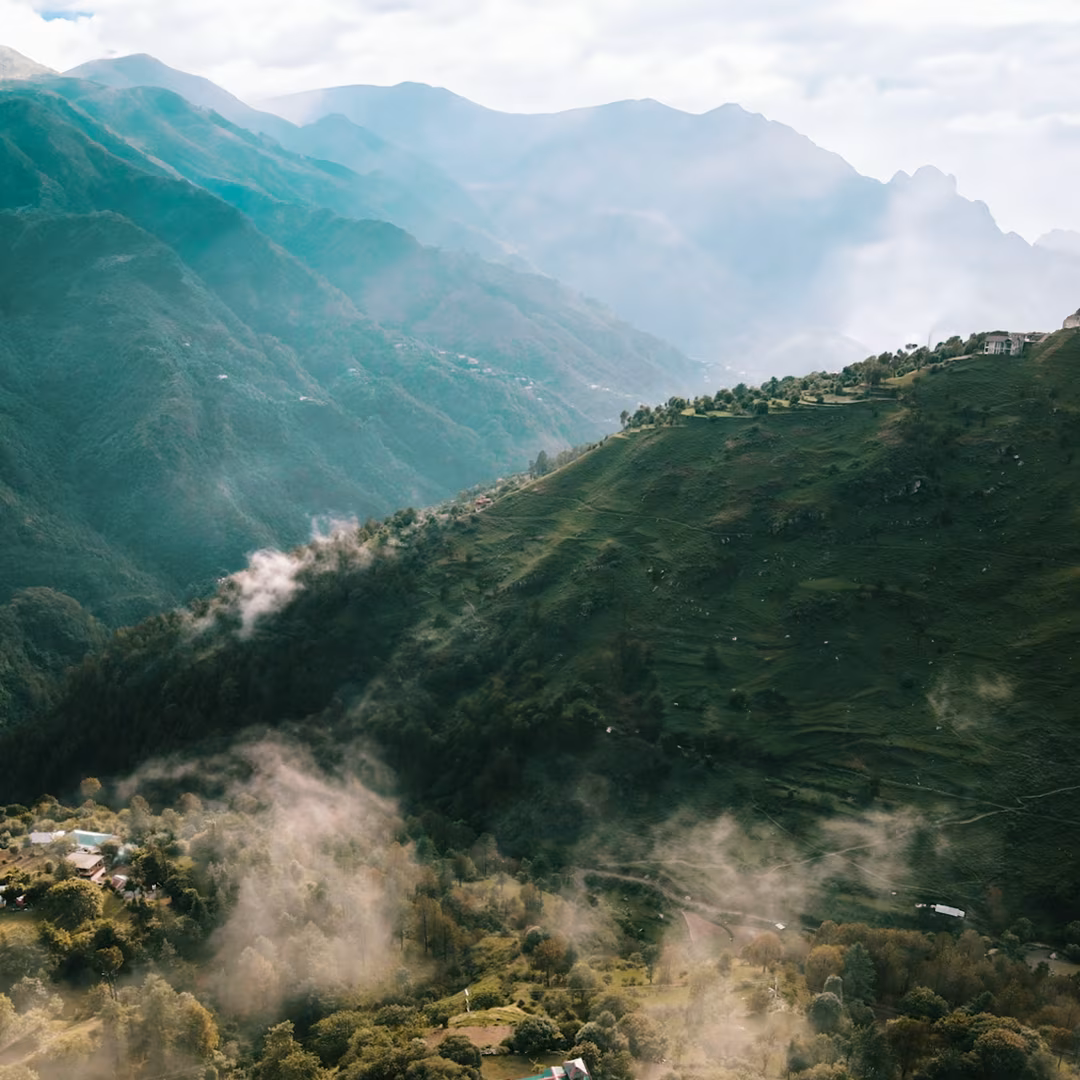
    A good hillside home does more than frame a view; it uses elevation to change how every room feels. Morning light enters differently on a slope than it does in a flat city apartment, often filling living spaces earlier and more gently. Evenings bring a kind of stillness that is hard to describe until you have sat through one, with valley mist settling below you while your own address stays clear and dry.

    But elevation also means orientation matters enormously. A north-facing unit on a hillside can be noticeably colder and darker than a south-facing one just a few metres away. This is worth asking about specifically, rather than assuming two units in the same building offer the same daily experience, since they can differ a great deal depending on which way they face.

    How Hillside Architecture Differs From Flatland Apartments

    Hillside construction is not simply a flat building placed on a slope. Well-designed hillside homes are terraced into the gradient, which changes floor layouts, staircase placement, and how parking and common areas connect to the residences above and below them.

    This has practical upsides. Terraced construction often means fewer units share a direct sightline into each other, giving hillside living a sense of privacy that is difficult to achieve in a flat apartment block. It also means outdoor space, balconies, walkways, and terraces tend to be used more deliberately, since the land itself is part of the design rather than an afterthought.

    The Rhythm of a Day on a Shimla Hillside

    Mornings on a Shimla hillside tend to start earlier than they would in a city, not by alarm but by light and birdsong. Temperatures are noticeably cooler than the plains even in summer, which changes small daily habits: tea on the balcony instead of the air conditioner, a walk before breakfast instead of after.

    Afternoons bring the practical rhythm of hill life: a trip down to the market for fresh produce, a slower pace generally, and fewer things competing for attention. Evenings cool quickly once the sun drops behind the ridgeline, and many residents describe an early, unforced kind of tiredness that city life rarely offers – the good kind, born of clean air and physical movement rather than exhaustion.

    What to Check Before You Buy a Hillside Home

    Beyond orientation, a few things are worth verifying specifically for hillside properties. Ask about retaining wall and slope stabilisation work, since this is what protects the structure during the monsoon. Ask about road access in winter too, since some hillside roads become difficult after heavy snow, while others remain reliably clear. And ask how far the unit is from parking and common amenities, since a stunning apartment that requires a steep uphill walk from the car park is a very different daily reality than one with level or lift access.

    It is also worth spending time in the unit at different times of day before deciding, if a site visit allows for it. Morning light and evening light can tell very different stories about the same room.

    Vivaan Ek Pariwar: A Hillside Address Built for Real Living

    Vivaan Ek Pariwar is located at Village Saunl, Baldeyan, Shimla, on a hillside setting chosen specifically for its air quality, elevation, and views. The project is RERA-registered (Registration No. RERAHPSHP08190058) and offers freehold ownership, including to non-Himachali buyers, across studio, 1 BHK, 2 BHK, and 3 BHK residences.

    The design accounts for the realities of hillside living rather than fighting them: lift access across floors, a walkway bridge connecting the residential portion to the resort amenities, and round-the-clock security and housekeeping that take the practical burden of hill maintenance off residents. A heated pool, in-house spa, fitness space, and on-site food and beverage facilities mean daily life does not depend on a drive down to town for basic comforts.

    Ready to See It Yourself?

    Reading about hillside living only goes so far. The light, the air, and the quiet are things you have to experience in person to understand properly. Vivaan Ek Pariwar offers site visits for exactly this reason. Book one at vivaanekpariwar.in and spend an afternoon finding out what a hillside address actually feels like.

  • Buying a Mountain Home in Shimla: What Actually Makes Mountain Property Different

    Buying a Mountain Home in Shimla: What Actually Makes Mountain Property Different

    Not every property marketed as a “hill home” is genuinely a mountain home in Shimla. Some are simply plain-style construction placed at a higher altitude, which means they inherit all the disadvantages of elevation — harder access, more weather exposure, without the engineering that actually makes mountain living comfortable and durable. So, if you are looking specifically for a mountain property, it is worth understanding what separates a well-built one from a property that merely happens to be in the hills.

    Not All “Hill Property” Is a Mountain Home

    A genuine mountain home is designed around its terrain from the foundation up. This means the developer has accounted for slope gradient, soil composition, drainage, and seismic considerations specific to the region, rather than simply adapting a standard flatland blueprint to a sloped plot. The difference is not always visible on a first walk-through, but it shows up over the years in how the structure handles monsoon runoff, temperature swings, and settling.

    Buyers who are new to mountain property often do not know which questions to ask here, which is exactly why unscrupulous or under-resourced developers can get away with cutting corners. Asking directly about structural engineering, foundation depth, and drainage design is a reasonable and important question to put to any developer.

    The Engineering Question: Why Mountain Construction Is Different

    Mountain construction in the Himalayan belt has to account for a seismically active zone, so reinforced structural design is not optional. It also has to manage water very differently from flatland construction, because monsoon rainfall on a slope moves fast and can be destructive if drainage and retaining structures are not properly engineered.

    Foundation depth and waterproofing matter more here than almost anywhere else in Indian residential construction. A property that looks identical to a flatland apartment on the surface can have a completely different, and more expensive if done right, foundation and drainage system underneath. This is one of the genuine reasons why a well-built mountain property costs what it does.

    Climate and Elevation: What to Expect Through the Year

    Shimla sits at an elevation that gives it a distinct climate profile from most of the country. Summers rarely get uncomfortably hot, and winters, while cold, are manageable in a well-insulated, centrally heated residence. This is a meaningful part of the appeal of a mountain home: you are not just changing your address; you are changing your climate exposure for a significant part of the year.

    Elevation also affects practical things like internet connectivity, power stability, and water supply. These have improved significantly in well-developed hill towns like Shimla, but still vary meaningfully by specific location. So, it is worth asking any developer directly about backup power, water storage capacity, and connectivity infrastructure.

    Choosing the Right Elevation and Orientation

    Within Shimla itself, elevation and orientation vary considerably between neighbourhoods and even between buildings a short distance apart. Higher elevations generally mean cooler temperatures, clearer air, and better views, but can also mean a longer drive to markets and hospitals. South-facing properties get more sun and warmth through the winter months, which matters more than people expect once they have lived through a harsh winter.

    There is no universally “correct” elevation or orientation. It depends on how you plan to use the property, your tolerance for cold, and how often you will be travelling to and from town.

    Vivaan Ek Pariwar: A Genuine Mountain Address

    Vivaan Ek Pariwar is built at Village Saunl, Baldeyan, Shimla, with the kind of structural attention that a mountain home genuinely requires — proper foundation engineering, drainage planning, and construction suited to the terrain rather than adapted from a plains blueprint. The project is RERA-registered (Registration No. RERAHPSHP08190058) and offers freehold ownership to buyers from across India, across studio, 1 BHK, 2 BHK, and 3 BHK configurations.

    Being a genuine mountain address also means the amenities are built to work with the climate rather than despite it: a heated pool for year-round use, reliable power backup, and round-the-clock housekeeping and security that account for what hill maintenance actually demands. It is the kind of infrastructure that separates a mountain home you can live in comfortably from one that merely looks the part in photographs.

    Next Step: Visit and Decide

    The clearest way to judge whether a mountain property has been genuinely well built is to walk it, ask direct questions about the construction, and see the surrounding terrain for yourself. Vivaan Ek Pariwar offers site visits to prospective buyers for this exact reason. Book one at vivaanekpariwar.in.