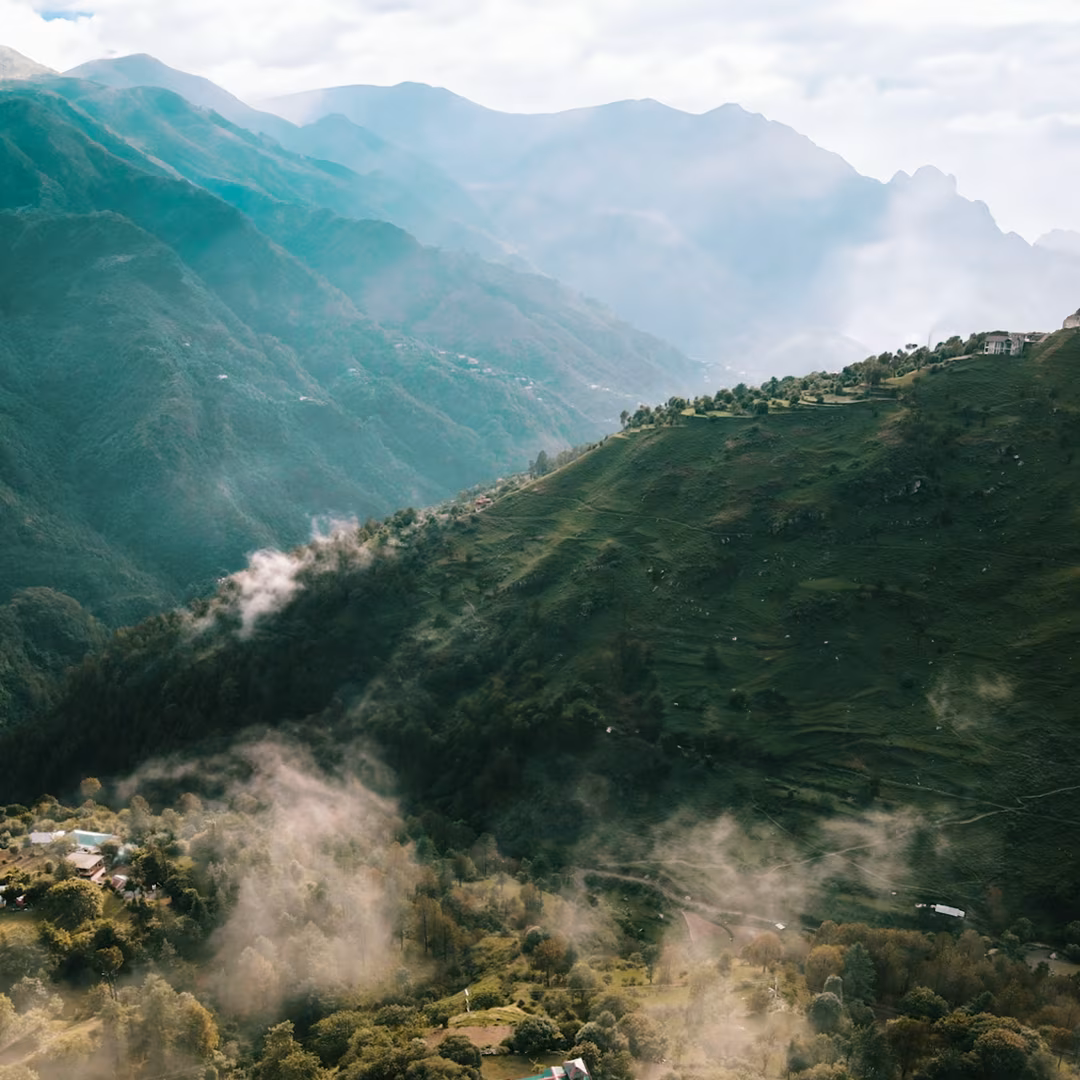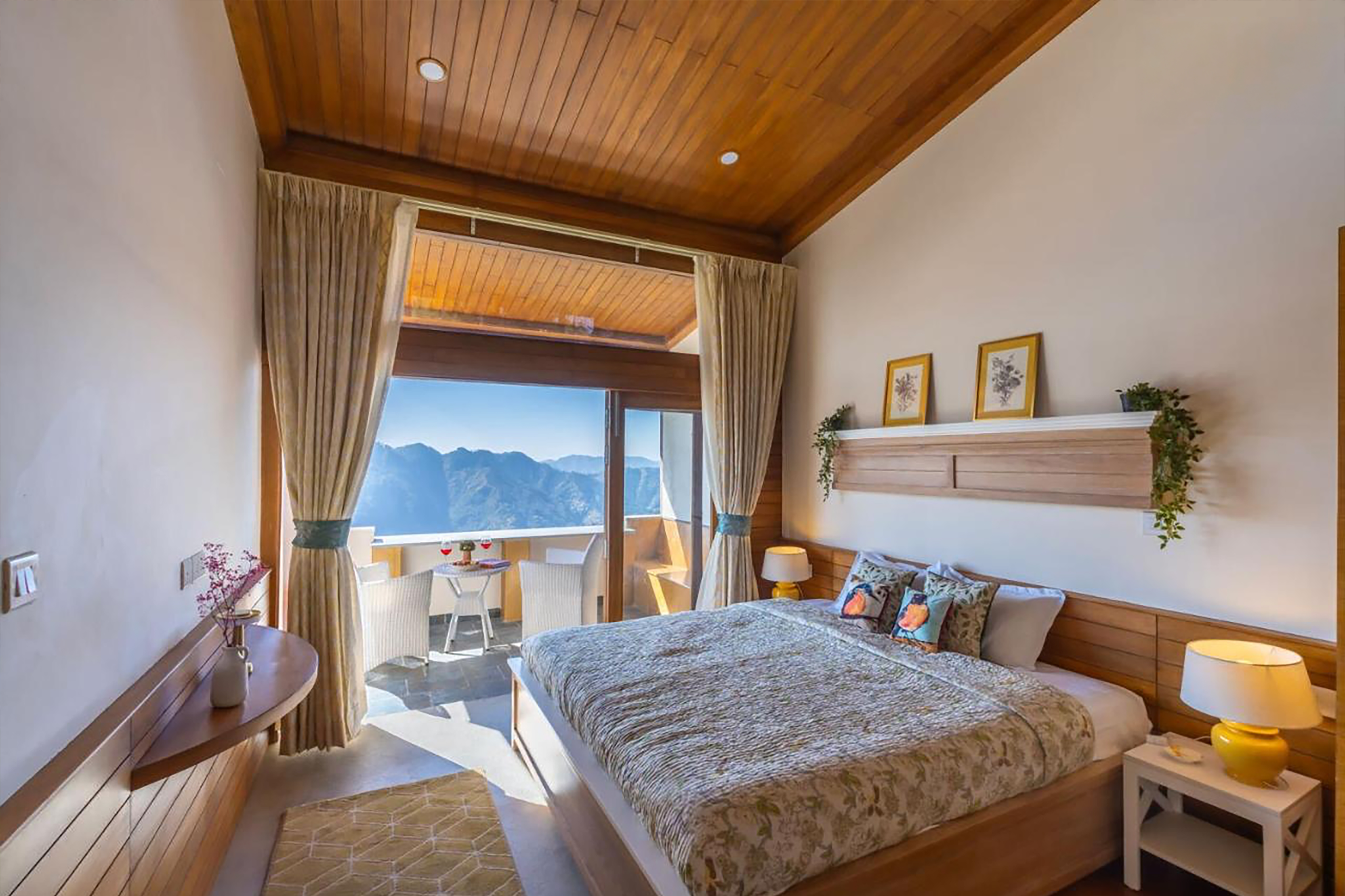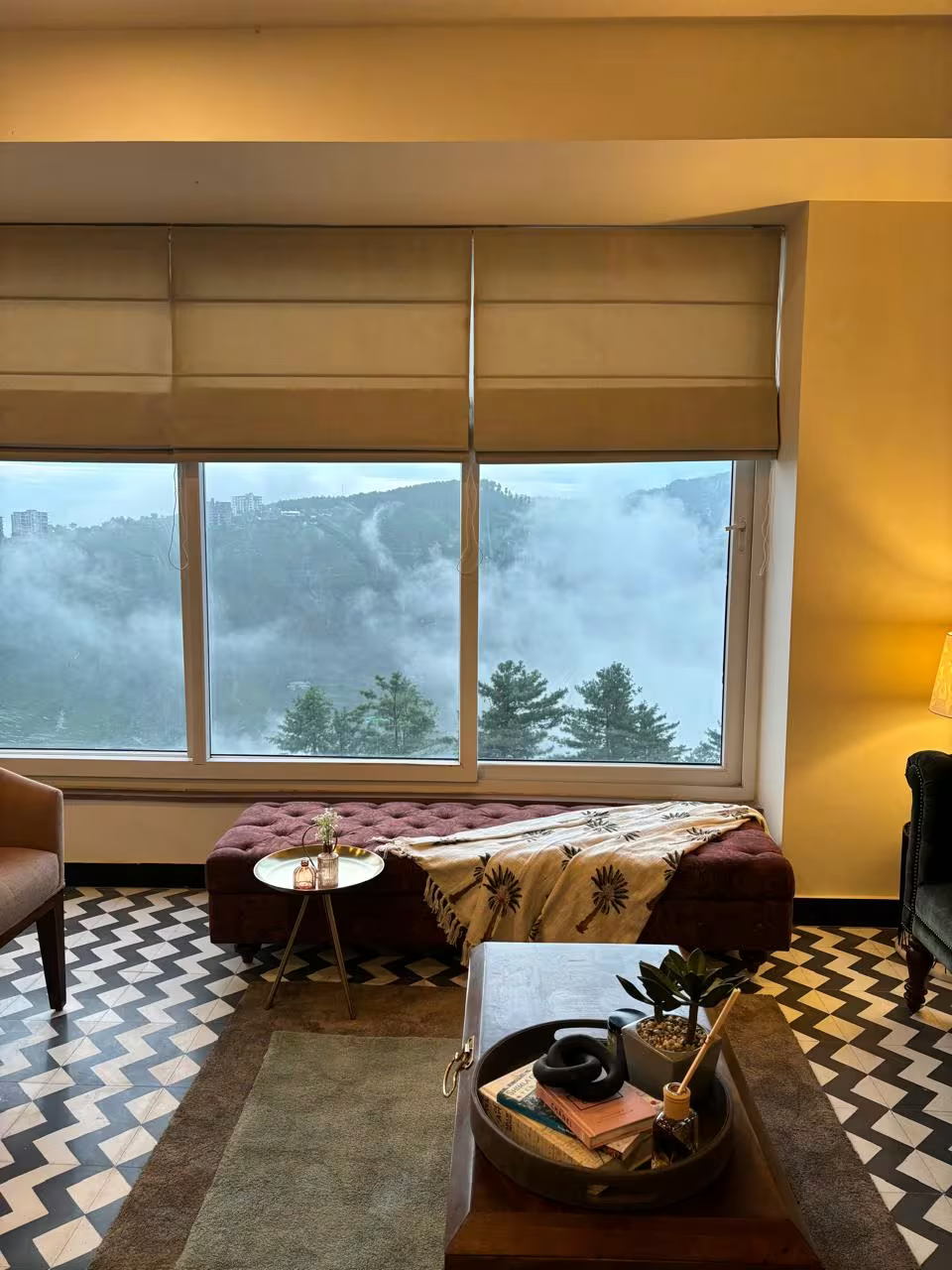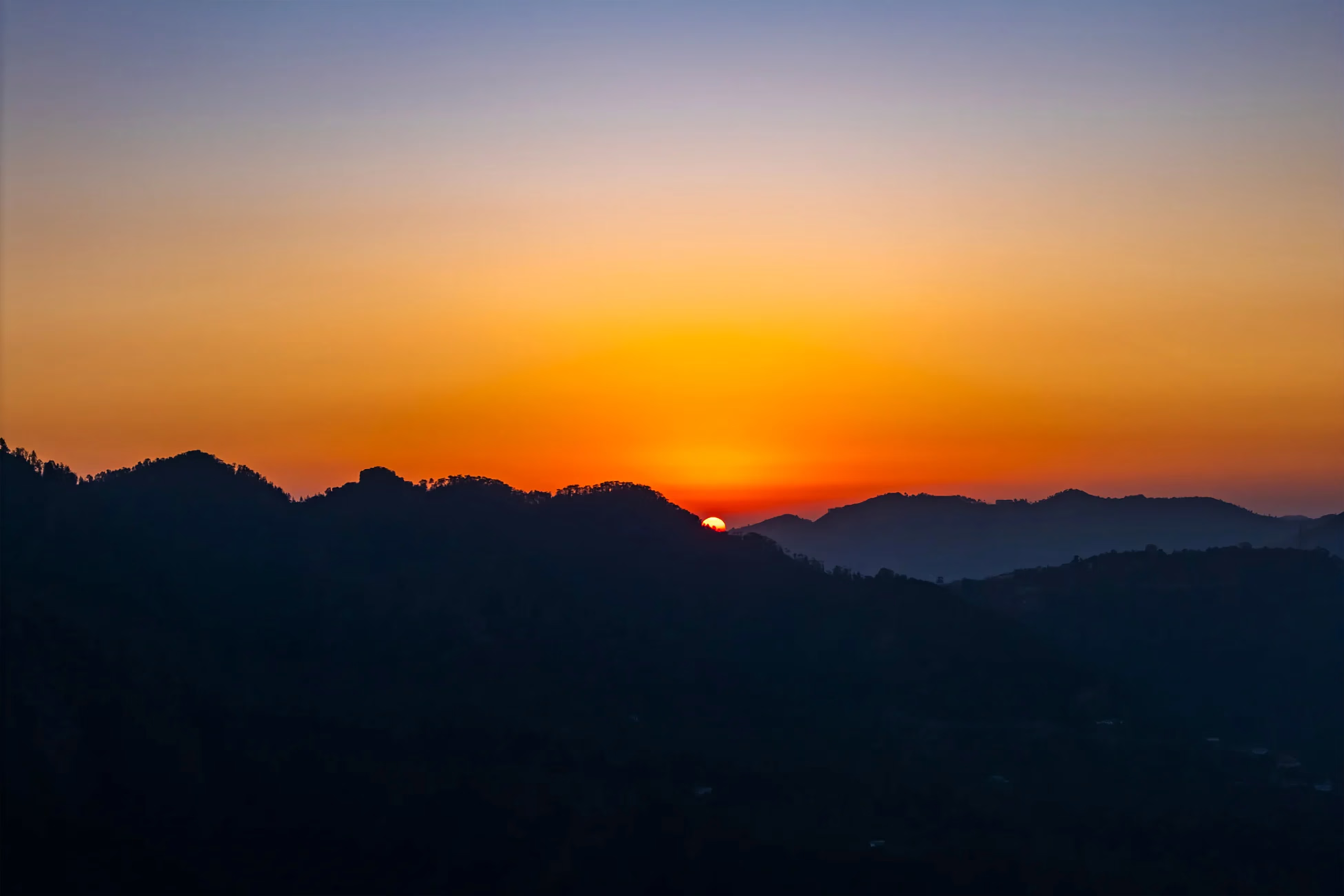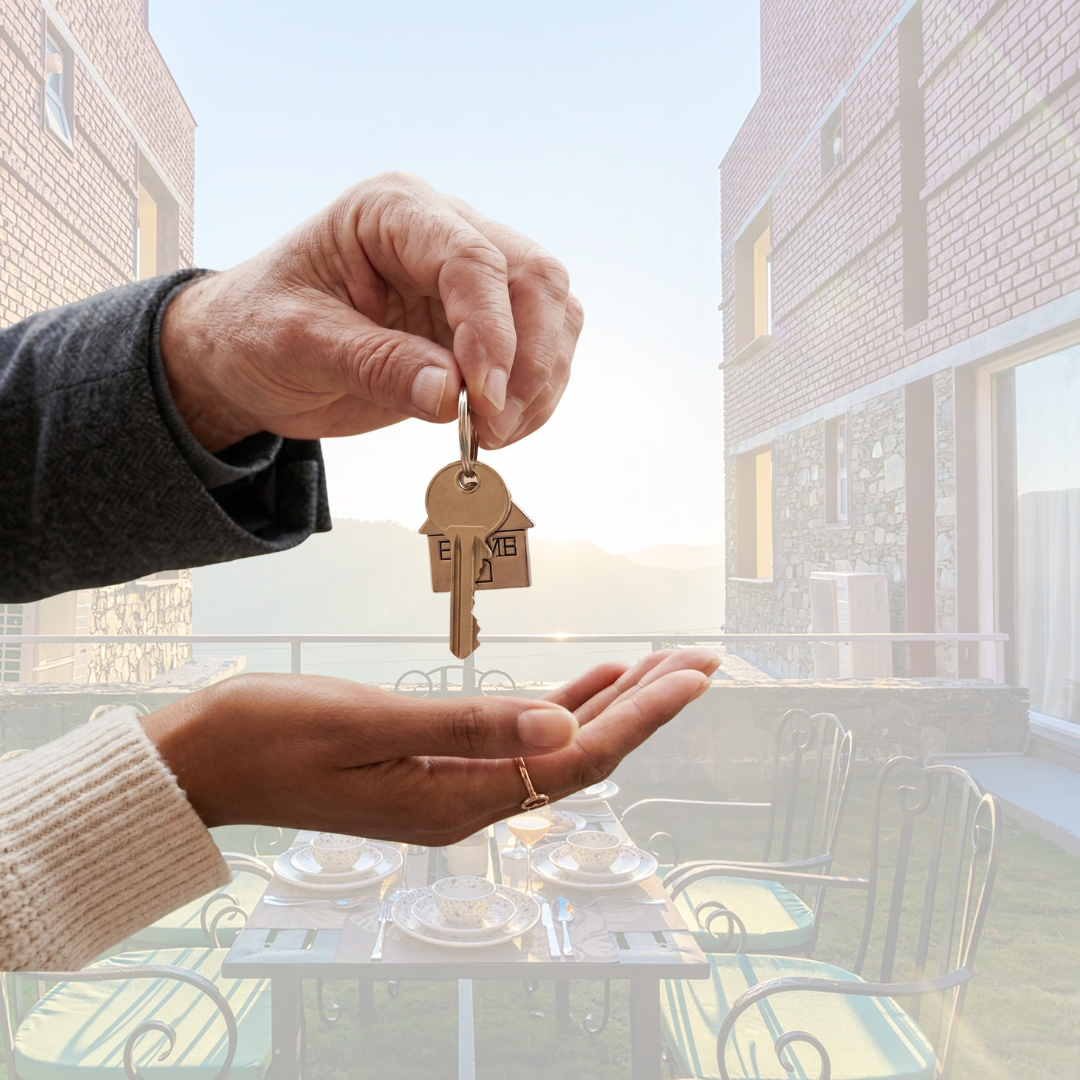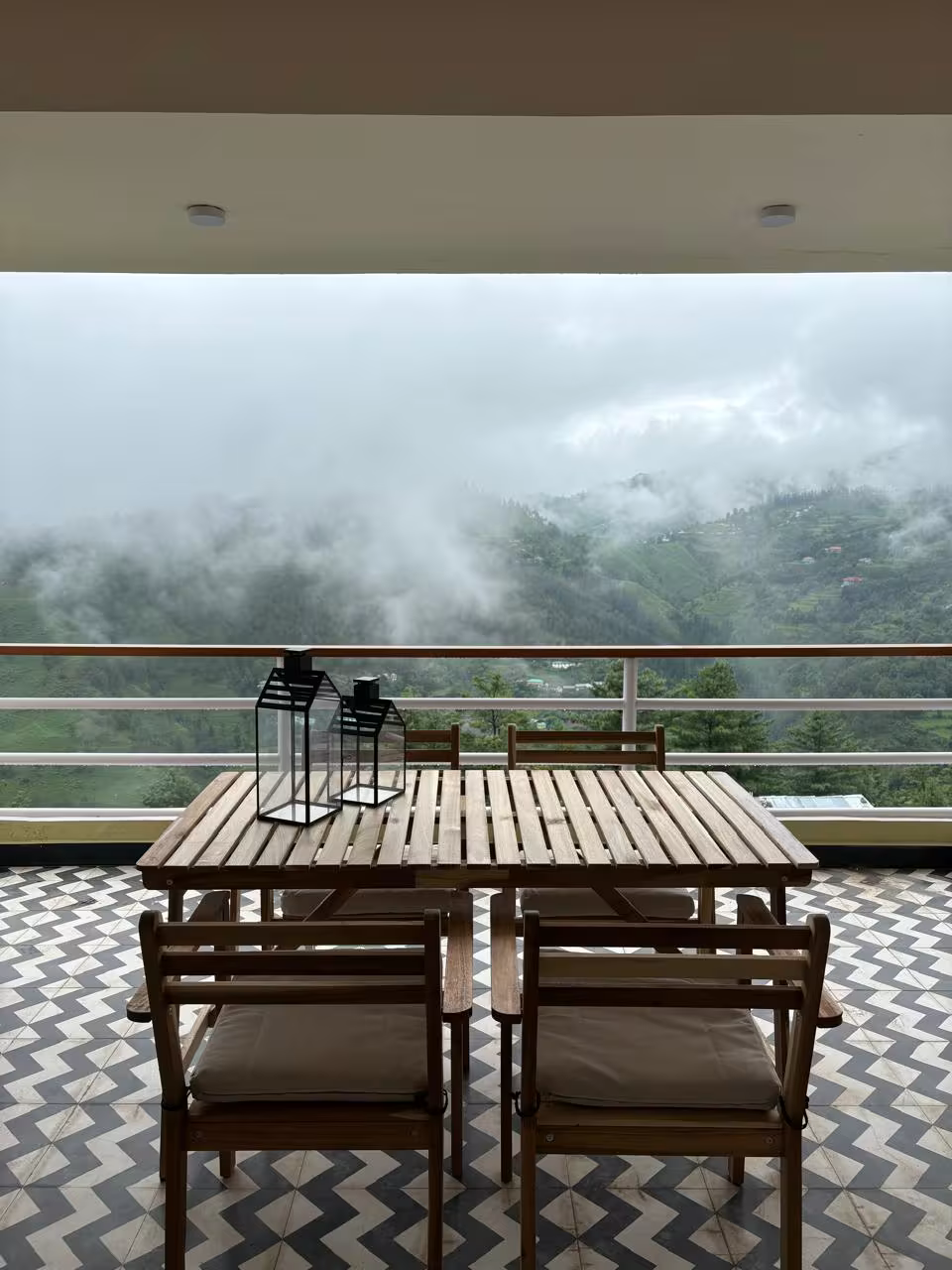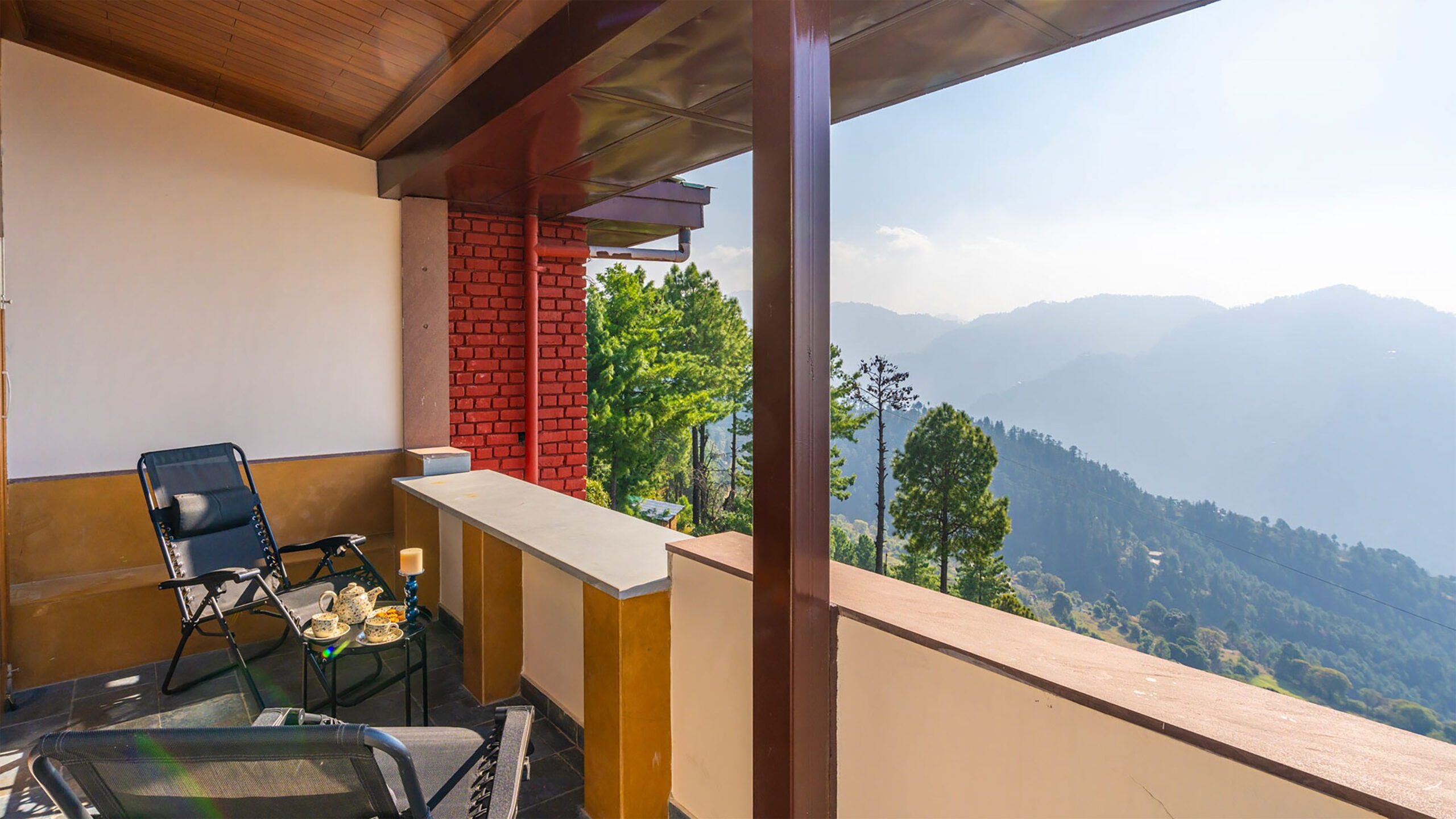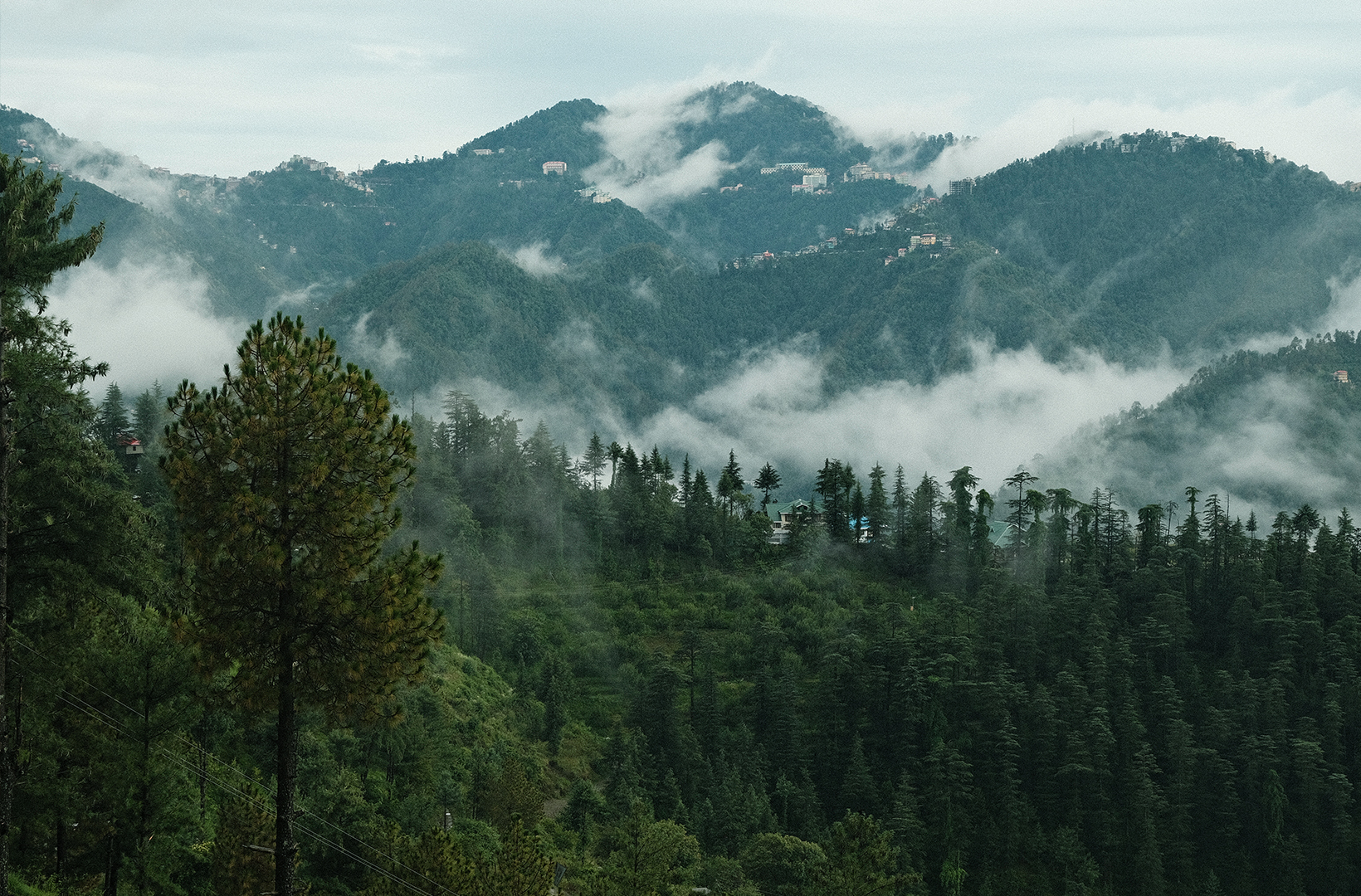
There is a moment that comes to many people in their late fifties or early sixties, sometimes earlier, when the city they have built their career in starts to feel like too much. The traffic, the noise, the air, the pace. A feeling that the trade-offs you accepted in your thirties no longer feel acceptable now. That is the moment a lot of people start seriously thinking about hill station retirement living. And increasingly, that thinking is turning into action, with many choosing to retire in Shimla specifically.
Why Retirement Migration to Hill Stations Is Growing
India does not have a strong cultural tradition of planned retirement migration, but that is changing fast. Two things are driving it. First, a generation of well-travelled, financially independent professionals have seen retirement done differently elsewhere and want something similar. Second, the reality of urban ageing is setting in: cities designed for productivity are often poorly suited to the rhythms of life after sixty. Long commutes, pollution, crowded hospitals, and noise do not get easier with age.
Hill stations like Shimla offer a natural antidote. Cooler temperatures mean less heat stress, a genuinely significant health factor for older adults. Lower pollution reduces the burden on the cardiovascular and respiratory system. The slower pace of community life, the presence of walking trails and open spaces, and the general reduction in sensory overload all contribute to a measurably better quality of daily life.
What Retirees Actually Need in a Home
The requirements for a retirement home in Shimla are specific, and they differ meaningfully from what a younger buyer might prioritise.
Accessibility
Accessibility is paramount. Lift access within the building, step-free common areas, and proximity to medical facilities are non-negotiable for older residents. A property on the third floor of a walk-up building that works fine in your forties becomes a genuine problem a decade later.
Security
Security matters more when you are living alone or as a couple. Gated communities with 24×7 monitoring and controlled access give families peace of mind, especially for retirees whose children live in other cities.
Community
Community is underappreciated as a factor, but it is one of the most significant. Loneliness is a genuine health risk for older adults. Living among peers, people at similar life stages, with time and inclination for morning walks, shared meals, and conversation, has documented positive effects on mental health and longevity.
Low-Maintenance Living
Low-maintenance living is essential. Older residents do not want to be managing plumbers, security guards, and gardeners. A professionally managed residential community removes that burden entirely.
Shimla’s Practical Advantages for Retirees
Not all hill stations are equal when it comes to retirement practicality. Shimla stands out for a few specific reasons.
Medical Access
Shimla has Indira Gandhi Medical College and Hospital, along with several private hospitals and specialty clinics. For a hill station, this is an unusually strong medical infrastructure.
Year-Round Road Connectivity
Some hill destinations become difficult or impossible to access in heavy snowfall. Shimla maintains reasonably reliable road access year-round, which matters when medical appointments or family visits need to happen on a schedule.
Climate
Shimla’s temperature range is moderate by hill station standards. Summers are pleasantly cool, ideal for elderly residents escaping plains heat, while winters are cold but manageable, particularly within a well-constructed, centrally heated residence.
Social Infrastructure
Shimla functions as a proper town with markets, restaurants, cultural events, and a social life. This matters enormously for retirees who want engagement with the world, not just withdrawal from it.
Vivaan Ek Pariwar: Designed for Long-Term, Comfortable Living
Several features at Vivaan Ek Pariwar align naturally with what retirees need. Lift access across floors means mobility limitations do not become barriers. Round-the-clock security and 24×7 housekeeping mean professional support is always present. The in-house spa, heated pool, and wellness spaces mean residents do not need to travel to access the things that support healthy ageing.
Existing residents include retired IRS and IAS officers, which speaks to the community profile: people accustomed to a certain standard of living and community, who have chosen Vivaan as their hillside address.
Planning Your Retirement Move: Practical Steps
If you are seriously considering choosing to retire in Shimla, a few practical steps are worth taking before committing.
Spend time in the location across different seasons. A place that is perfect in October may feel very different in January, so a site visit, ideally including an extended stay, gives you a much more accurate picture than a weekend trip.
Think about your support network too. Is there family you want to be near? How far are you comfortable being from a major city? What is the medical situation relative to your specific health needs?
It also helps to understand the ownership structure. Freehold versus leasehold, what is included in maintenance fees, and how the community is managed are details that determine whether the arrangement works for you financially over the long term.
Finally, visit in person before deciding. There is no substitute for standing in the apartment, walking the grounds, and talking to existing residents. Vivaan Ek Pariwar offers site visits for this exact purpose. Book one at vivaanekpariwar.in.