Tag: Compact Homes in Hills

  • What Pollution-Free Hill Living Actually Does to Your Health and Why More Families Are Moving Part-Time to Shimla

    What Pollution-Free Hill Living Actually Does to Your Health and Why More Families Are Moving Part-Time to Shimla

    Vivaan Villas

    You do not have to look hard to find the data on Indian city air quality. It is grim, and most urban residents are aware of it on some level, even if the awareness has become a kind of background noise, something to quietly worry about and then set aside because there does not seem to be much you can do about it. But there is something you can do, if you have the means: spend significantly more time somewhere the air is actually clean. That is not a lifestyle luxury anymore. For a growing number of Indian families, it is a health strategy.

    The Air Quality Gap: Cities vs Hill Stations

    Delhi, Mumbai, Bangalore, Hyderabad, the air quality in India’s major metros ranges from ‘moderate concern’ on good days to genuinely dangerous on bad ones. Particulate matter (PM 2.5), nitrogen dioxide, and ozone are the main culprits. PM 2.5 fine particles, small enough to enter the bloodstream through the lungs, are particularly associated with cardiovascular disease, respiratory illness, and cognitive decline with long-term exposure.

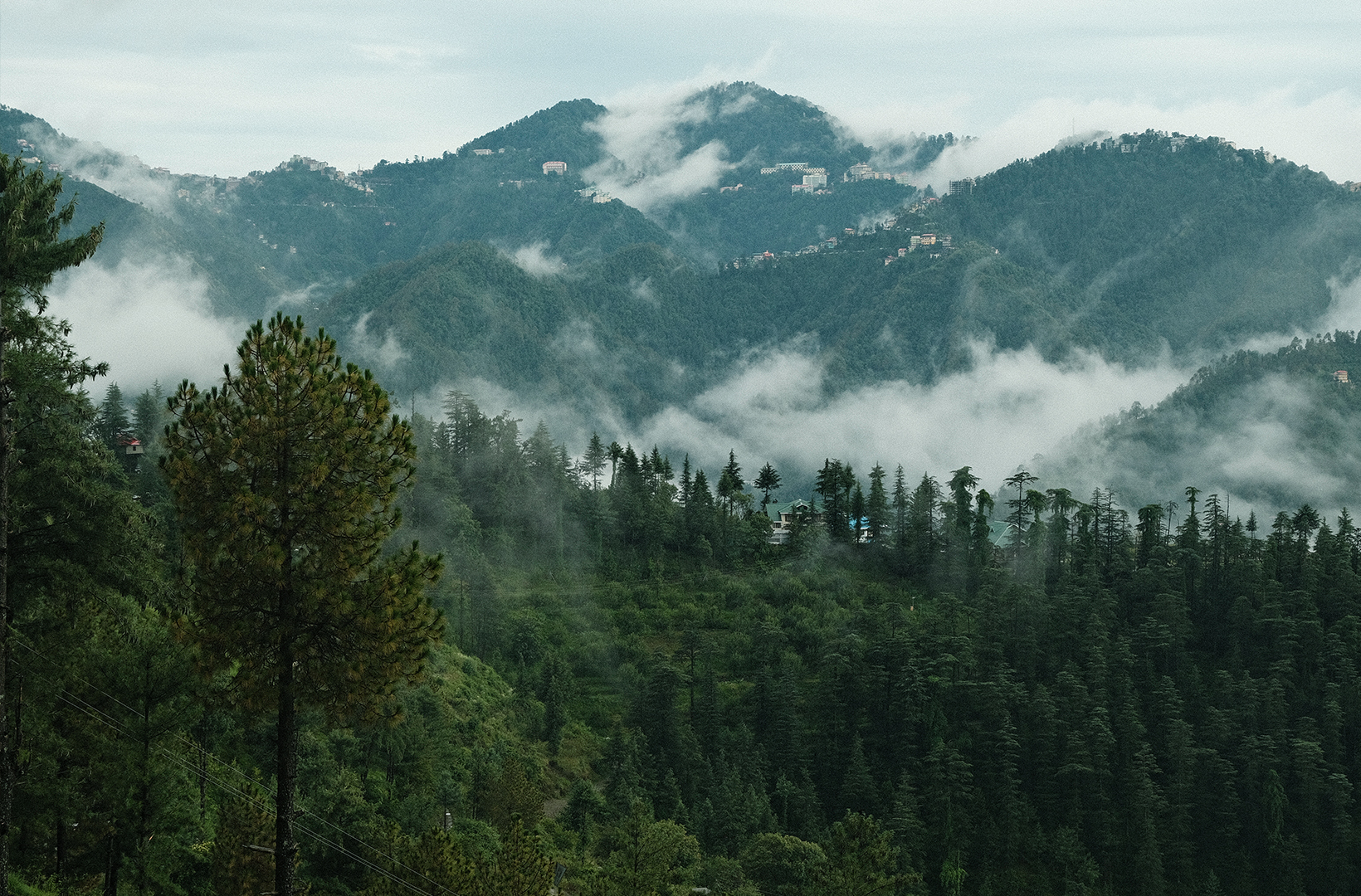
    Shimla, sitting at around 2,200 metres above sea level and surrounded by pine and cedar forests, sits in a different category entirely. The elevation means less dense air, fewer industrial pollutants, and a dramatically lower particulate load. For people with asthma, chronic sinusitis, or cardiovascular conditions, the difference is felt almost immediately, sometimes within the first day of arrival.

    The Mental Health Dimension

    Air quality is the most measurable part of the equation, but it is not the only one. The psychological effects of living in or regularly visiting a natural environment are increasingly well-documented. Research in environmental psychology consistently shows that exposure to green spaces, natural light, and reduced ambient noise is associated with lower cortisol levels (the primary stress hormone), better sleep, and improved mood.

    For families where one or both parents are managing high-pressure careers, the value of a space that forces deceleration cannot be overstated. There is something about hills, specifically the necessity of slowing down physically, the absence of traffic, the presence of birdsong rather than horns, that seems to have an effect that is more than the sum of its parts.

    Children in particular respond visibly to these environments. Without the overstimulation of city life, many families find that kids sleep better, fight less, and engage more openly with their parents during extended hill stays.

    Part-Time Hill Living: The Emerging Model

    Owning a second home in the hills historically meant using it a few weeks a year — a summer vacation slot, maybe a long weekend here and there. What is changing is the model of usage. Remote work has made it possible for a certain segment of professionals to extend these stays significantly. A family might now spend summers largely in Shimla, returning to the city for school terms and key office weeks.

    This vacation hill living model changes the calculus on what kind of property you need. It is no longer a place to just sleep and shower between hikes. It needs proper kitchen facilities, reliable internet, a workspace, and the kind of management infrastructure that means you do not arrive to find three months of maintenance issues waiting for you.

    It also changes the return on investment logic. A property you use for four to six months a year, with rental management covering the rest, is a very different proposition from a property that sits empty most of the year.

    Shimla Specifically: Practical Advantages Beyond the Air

    The health and lifestyle case for hills applies broadly, but Shimla has specific practical advantages worth naming:

    Year-round accessibility: Unlike some HP hill stations that become very difficult to reach in winter, Shimla maintains road connectivity through the year. This makes it viable for part-time residency rather than just summer use.

    Medical infrastructure: For families with older parents or members with health conditions, access to hospitals matters. Shimla has IGMC and several other hospitals, not perfect, but significantly better than more remote locations.

    Education: For families with school-going children who might be there for extended periods, Shimla has established schools, including Bishop Cotton, Auckland House, and others.

    Social infrastructure: Markets, restaurants, cultural events, Shimla functions as a town in a way that purely residential hill developments often do not.

    Vivaan Ek Pariwar: Where the Lifestyle Is Built In

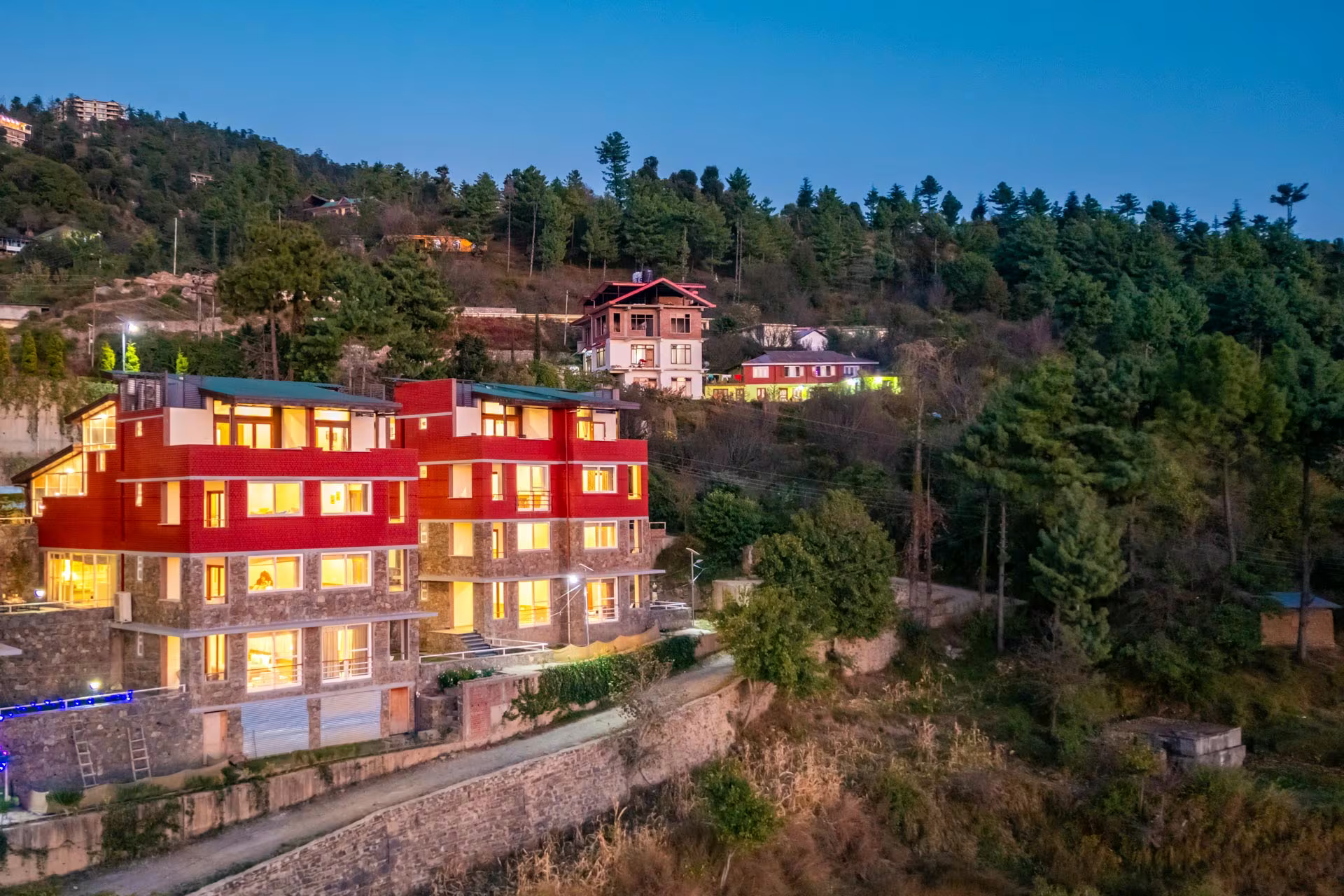
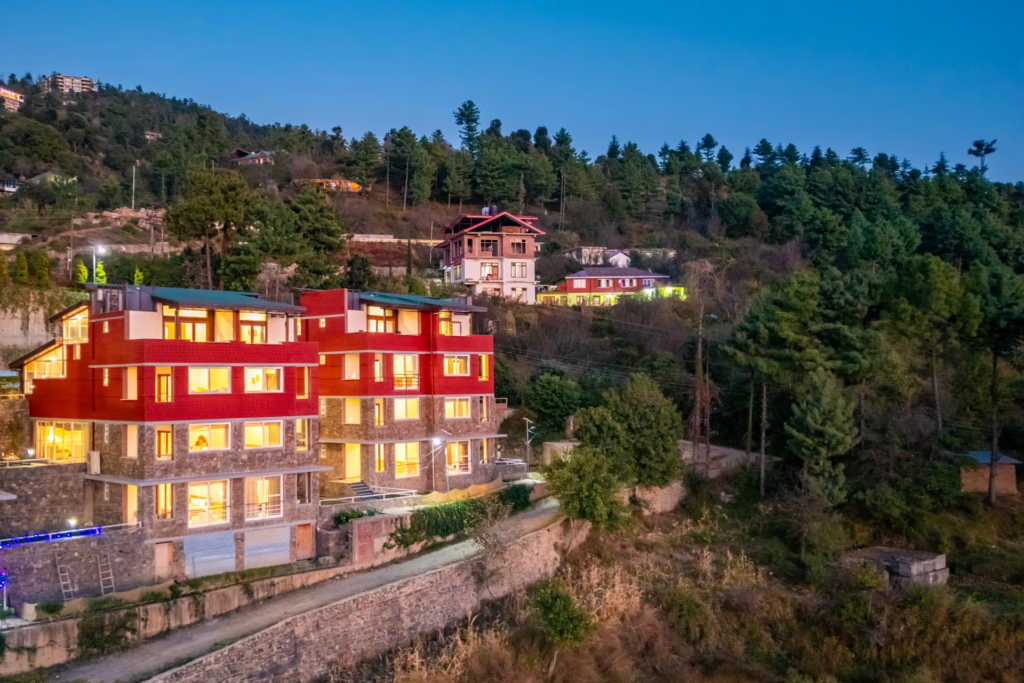
    At Village Saunl, Baldeyan, Vivaan Ek Pariwar sits in precisely the kind of hillside setting that makes this health-and-lifestyle proposition real rather than theoretical. The project describes itself as a pollution-free, calm address, which is not marketing copy when you are at this elevation and surrounded by this much green.

    But beyond the setting, what makes the lifestyle viable is what is inside the project: a spa and wellness space for recovery, a heated pool for year-round use, fitness facilities, food and beverage on-site (so you are not constantly driving down to the market), round-the-clock housekeeping, and professional security. These are the things that make extended stays comfortable rather than effortful.

    For buyers who want to spend real time here, not just a week at Christmas, the infrastructure matters as much as the view. Vivaan Ek Pariwar seems to have been designed with that usage pattern in mind.

    Is It Right for Your Family?

    There is no single answer to that. It depends on your family’s health needs, your work flexibility, your children’s school situation, and a dozen other factors. But if you find yourself thinking seriously about the air your family breathes and most parents in Indian cities, if honest, then exploring a hillside second home is at least worth a proper conversation.

    The practical next step is a site visit. Vivaan Ek Pariwar offers these for prospective buyers. Spending a day at the property gives you a much better sense of whether it matches your family’s needs than any amount of reading about it. You can schedule one at vivaanekpariwar.in.
  • Vacation Homes vs Investment Properties in the Hills: Why the Best Choice Is Often Both

    Vacation Homes vs Investment Properties in the Hills: Why the Best Choice Is Often Both

    Hillside Homes in Shimla

    There is a conversation that comes up almost every time someone starts seriously considering a second home in the hills. It usually starts with something like: ‘Should I buy somewhere we actually want to use, or somewhere that will give us good returns?’ As if those two things are necessarily in conflict. They are not, but the nuances matter, and the choice of property determines whether you end up with a holiday retreat that drains your bank account or an investment that pays for itself while also giving your family a genuine escape.

    The Traditional Trade-Off (and Why It Is Changing)

    For a long time, the conventional wisdom was that personal-use properties and investment properties operated on different logic. A family cottage was chosen for sentiment and comfort; a rental property was chosen for yields and location metrics. The problem is that most families buying a second home in India are working with a single purchase; they cannot afford to separate the two motivations.

    What has changed is the emergence of managed residential communities in hill stations that are specifically designed to bridge this gap. These are not timeshare arrangements or hotel-room-style lock-ins. They are properly owned residences — in some cases, freehold, that also come with optional professional rental management. When you are not there, your apartment generates income. When you are, it is your home.

    How to Evaluate the Investment Case

    Before getting swept up in scenic views and fresh air (both of which matter, but neither of which pays the EMI), it is worth thinking clearly about the financial side:

    Rental demand in the location: Shimla is one of India’s most consistently visited hill stations. Unlike some destinations that see a single peak season, Shimla draws visitors in summer (families escaping the plains heat), in winter (for snow), and during long weekends throughout the year. That spread of demand is good for rental income predictability.

    Managed vs self-managed: If you are not based in Shimla, self-managing a rental is logistically difficult. Projects with in-house rental management services handle bookings, maintenance, and housekeeping — taking the operational burden off you in exchange for a management fee. For out-of-state buyers, this is often the difference between actually generating income and having a property that sits empty and costs money.

    Capital appreciation: Hill station properties in well-established locations with good infrastructure have historically appreciated steadily. Shimla’s proximity to Chandigarh and Delhi means it is unlikely to become inaccessible or to lose desirability — the demand fundamentals are strong.

    How to Evaluate the Personal-Use Case

    The investment case is one-half. The other half is whether this is actually a place you want to be.

    Accessibility matters more than people admit: A beautiful property that requires a six-hour drive on poor roads loses its appeal quickly. Shimla’s connectivity, road access from Chandigarh, and reasonable distance from Delhi mean a long weekend trip is actually viable, not just theoretically possible.

    Amenities inside the project: When you arrive after a journey, you want things to work. Hot water, a kitchen that functions, security, and clean common areas. The difference between a project with genuinely managed amenities and one that just lists them on a brochure becomes apparent on your second or third visit, not your first.

    Community: This is underrated. A project full of like-minded families, people who have also chosen this kind of lifestyle, creates a social environment that makes the retreat feel welcoming rather than isolating. Testimonials from residents are told here.

    Vivaan Ek Pariwar: Built for Both

    Vivaan Ek Pariwar in Shimla is a good example of a project that has thought about both sides of this equation. The residential units — studio, 1 BHK, 2 BHK, and 3 BHK are designed with the quality and finish that make them genuinely comfortable as personal retreats. At the same time, the project includes an active hospitality and rental management service, a heated pool, spa, food and beverage facilities, housekeeping, and 24×7 securit, the kind of offering that makes the property attractive to paying guests.

    The hillside homes near Shimla provide the scenery and air quality that guests are willing to pay for. And the freehold ownership structure for non-Himachali buyers means you are making a real asset acquisition, not a lease agreement with an expiry date.

    Residents who have already bought here include families from Hyderabad, Guwahati, Chandigarh, and Dubai, a cross-section that reflects both the investment appeal and the lifestyle appeal of the project.

    Making the Decision

    The honest answer to ‘vacation home or investment?’ is: it depends on the specific project, and the right project makes the question largely irrelevant. A well-chosen hill property in a strong location, with proper ownership structure and professional management, can credibly be both.

    What it cannot be is a compromise on either front, bought without thinking about rental appeal, or chosen purely for yield without any consideration of whether it is somewhere you actually want to spend time. The best outcomes come from buyers who are clear about both sets of requirements and find a project that meets them.

    If you are in the research phase, a site visit to Vivaan Ek Pariwar is worth considering. It gives you a real-world feel for the location, the community, and the amenities, the things that decide whether a property makes sense for your life, not just your spreadsheet.

  • Freehold Property in Himachal Pradesh for Non-Himachalis: What You Need to Know Before You Buy

    Freehold Property in Himachal Pradesh for Non-Himachalis: What You Need to Know Before You Buy

    Mountain Home in Shimla

    If you have ever looked at property in Himachal Pradesh and found yourself running into the same wall — rules that restrict non-Himachali buyers, you are not alone. It is one of the most common frustrations for anyone from outside the state who has fallen in love with the hills and wants to own a piece of them. But the landscape is more nuanced than many people realise, and in certain cases, freehold ownership is genuinely available to buyers from across India.

    The Background: Why Himachal Has Property Restrictions

    Himachal Pradesh has historically restricted non-residents from purchasing agricultural and non-urbanised land, a policy rooted in the desire to protect local communities and prevent speculative land-grabbing. Section 118 of the Himachal Pradesh Tenancy and Land Reforms Act is the central piece of legislation here, and it has been interpreted and amended over the years in ways that have created both restrictions and, in specific circumstances, pathways.

    The short version: buying raw agricultural land or forest-adjacent plots as an outsider is heavily restricted and often impossible without state government approval. However, buying within properly registered and RERA-compliant residential projects is a different matter, especially when the project has obtained the necessary approvals and designations that permit such sales.

    What ‘Freehold’ Actually Means and Why It Matters

    A freehold property means you own the land and the structure outright, with no time limit and no dependency on a landlord or lease agreement. This is in contrast to leasehold, where you own the property for a fixed period (often 99 years) but the land ultimately belongs to someone else.

    In the context of hill property, the distinction matters enormously. A leasehold may serve you fine during your lifetime, but it complicates matters for inheritance, resale, and future development. Freehold ownership, on the other hand, is clean, permanent, and far easier to mortgage, sell, or pass on.

    For non-Himachali buyers, finding legitimate freehold options has historically required working with developers who have done the legal groundwork, obtained correct zoning, registered under RERA, and navigated the necessary approvals. Not all developers have done this.

    RERA Registration: Your First Filter

    When evaluating any property in Himachal, RERA registration should be your baseline requirement. The Real Estate Regulatory Authority in HP provides a layer of accountability that protects buyers. This means the project details are publicly registered, the developer’s credentials are on record, and you have a formal avenue for grievance redressal if something goes wrong.

    Unregistered projects, however attractively priced, carry significant risk in a state where land laws are complex and legal disputes over ownership can drag on for years. Always ask for the RERA registration number and verify it independently before engaging further with any developer.

    Vivaan Ek Pariwar: Freehold Ownership, Legitimately Available

    Vivaan Ek Pariwar is a RERA-registered residential project in Shimla (Registration No. RERAHPSHP08190058) that explicitly offers freehold ownership to non-Himachali buyers. This is a point the project leads with prominently, and for good reason. It is a genuine differentiator in a market where many buyers spend months chasing leads that eventually hit regulatory walls.

    The project is located at Village Saunl, Baldeyan, Shimla — a hillside address with clean air, scenic surroundings, and a setting that manages to feel tucked away while remaining accessible. Units range from studios to 3 BHK residences, making it relevant for buyers across different needs and budget levels.

    The combination of RERA compliance, freehold status, and a professionally managed residential community makes this a relatively unusual proposition in the current Shimla market.

    Practical Steps for Non-Himachali Buyers

    If you are seriously considering a purchase in Himachal Pradesh, here is a practical sequence to follow:

    Verify RERA registration: Check the HP RERA portal independently using the project’s registration number.

    Consult a local property lawyer: Even in a clean transaction, getting a lawyer familiar with Himachali land law to review the sale agreement is money well spent.

    Clarify ownership structure: Confirm explicitly whether the property is freehold or leasehold, and ask to see the documentation supporting that claim.

    Visit the site: Physical inspection tells you things that no brochure or virtual tour can, such as road quality, neighbourhood, actual views, noise levels, and how the community feels.

    Understand the full cost: In hill properties, maintenance costs, generator costs, and HOA fees can be significant. Get a complete picture before committing.

    The Bottom Line

    The idea that non-Himachalis cannot buy property in Himachal Pradesh is an oversimplification. What is true is that doing it well requires choosing the right kind of project, one that has cleared the regulatory hurdles so you do not have to. Vivaan Ek Pariwar represents that kind of project: properly registered, legitimately structured for outside buyers, and backed by a team that has done the legal work upfront.

    If you want to learn more, a site visit is the most efficient next step. You can book one at vivaanekpariwar.in.

  • Hillside Homes in Shimla: Why More Indians Are Choosing to Buy a Second Home in the Hills

    Hillside Homes in Shimla: Why More Indians Are Choosing to Buy a Second Home in the Hills

    Mountain Home

    There is something about the hills that stays with you. Maybe it is the way the morning mist rolls in through the pine trees, or the silence that settles over everything once the city noise falls away. Whatever it is, more and more families across India are acting on that feeling, not just by booking a holiday, but by actually putting down roots in the mountains.

    Over the past few years, a clear and growing trend has emerged among urban professionals and retired couples, who are looking beyond traditional metro real estate. The typical second-home in the hills buyer today is not just chasing rental yields. They want a space that is theirs, somewhere the family can go on long weekends, somewhere that genuinely feels like home, not a hotel room with a view.

    Shimla, being one of India’s most accessible and well-connected hill stations, has emerged as a natural frontrunner for this kind of investment. With direct road access from Chandigarh and decent air connectivity, it doesn’t require you to travel to the ends of the earth. Yet the moment you arrive, the difference in air quality, temperature, and overall pace of life is undeniable.

    What Makes Shimla Different from Other Hill Destinations

    Compared to Mussoorie or Manali, Shimla offers something that matters a lot in the long run: infrastructure. There are hospitals, schools, markets, and increasingly, residential projects that bring modern amenities into a hillside setting. That combination of nature and convenience is rare, and it is precisely what makes buying a second home here feel like a sensible, not indulgent, decision.

    For non-Himachali buyers, a particularly important development in recent years has been the availability of freehold property under certain conditions, meaning outright ownership, not just a lease. This was previously a significant barrier for buyers from other states, and its removal (or relaxation in specific cases) has opened the door to a much wider pool of investors.

    What to Look for in a Shimla Second Home

    Not every hillside project is created equal. When evaluating a property, location within Shimla matters enormously; the road quality, elevation, sun exposure, and proximity to essential services can vary drastically between neighbourhoods. Beyond location, look closely at:

    The build quality: Hill construction requires specific expertise. Waterproofing, foundation depth, and structural reinforcement are non-negotiable.

    Amenities: A second home should not feel like a roughing-it experience. Power backup, water management, security, and connectivity should all be addressed.

    Community: A good second home community means the property is well-maintained even when you are not there, and that you are surrounded by like-minded families when you are.

    Management services: Many buyers are not in Shimla year-round. A project that offers rental management services means your home can work for you even when you are away.

    Vivaan Ek Pariwar: Hillside Living, Thoughtfully Done

    Located in Village Saunl, Baldeyan, Shimla, Vivaan Ek Pariwar brings together many of these qualities under one address. The project offers studio, 1 BHK, 2 BHK, and 3 BHK residences, a range that works for solo investors, young couples, and larger families alike. The hillside setting means pollution-free air, elevated views, and a calm that is genuinely hard to find at this price point.

    Crucially, Vivaan Ek Pariwar is one of the few projects in Shimla that offers freehold ownership for non-Himachali buyers. This alone sets it apart from the majority of hill projects where buyers from other states are limited to long-term leases.

    The amenities list is comprehensive without being gimmicky: a heated pool, in-house spa, food and beverage facilities, 24×7 housekeeping, a fitness space, a walkway bridge connecting the residential portion to the resort, and professional rental management, so your investment continues to work even when you are back in the city.

    The Bigger Picture: Real Estate as a Quality-of-Life Decision

    Buying a second home in the hills is not just a financial move, even if the financial case is increasingly strong. It is also a statement about how you want to live, about making space in your life for stillness, for nature, and for the kind of family time that is hard to manufacture in a city apartment.

    If Shimla has been on your mind, this might be the moment to stop planning and start doing. The hills are not going anywhere. But the best properties, at the right price points, tend to go faster than people expect.

    Ready to Explore?

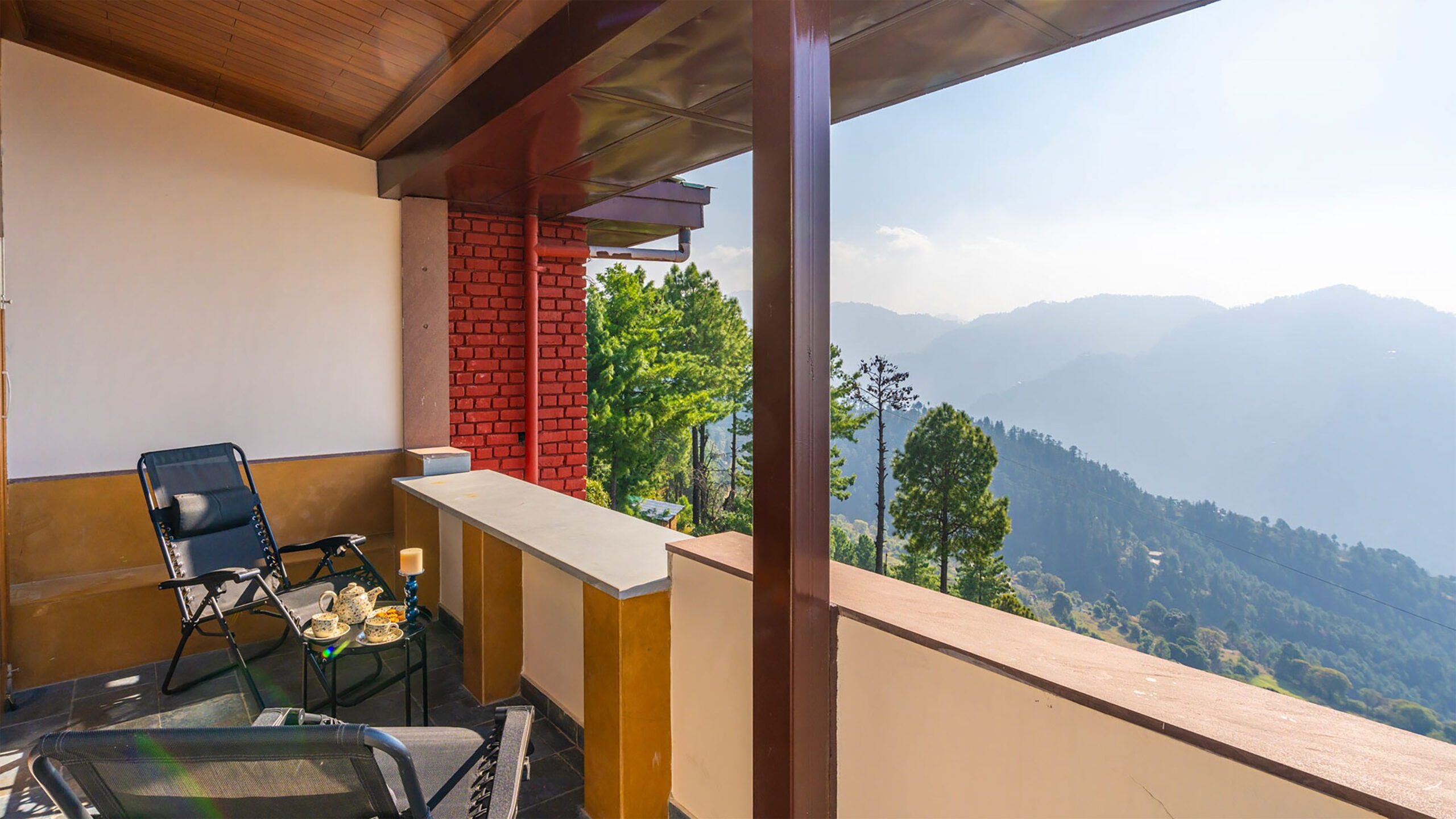
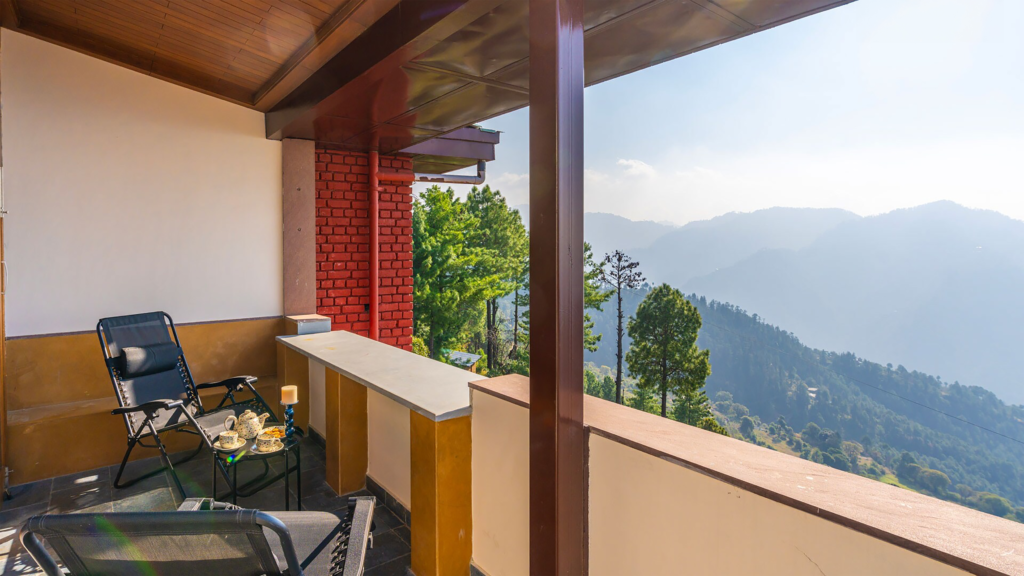
    Vivaan Ek Pariwar offers site visits so you can experience the setting firsthand before making a decision. It is one thing to read about hillside living; it is another to stand on the balcony and feel it. Book a visit at vivaanekpariwar.in or call the team directly to discuss the unit options that suit you.