
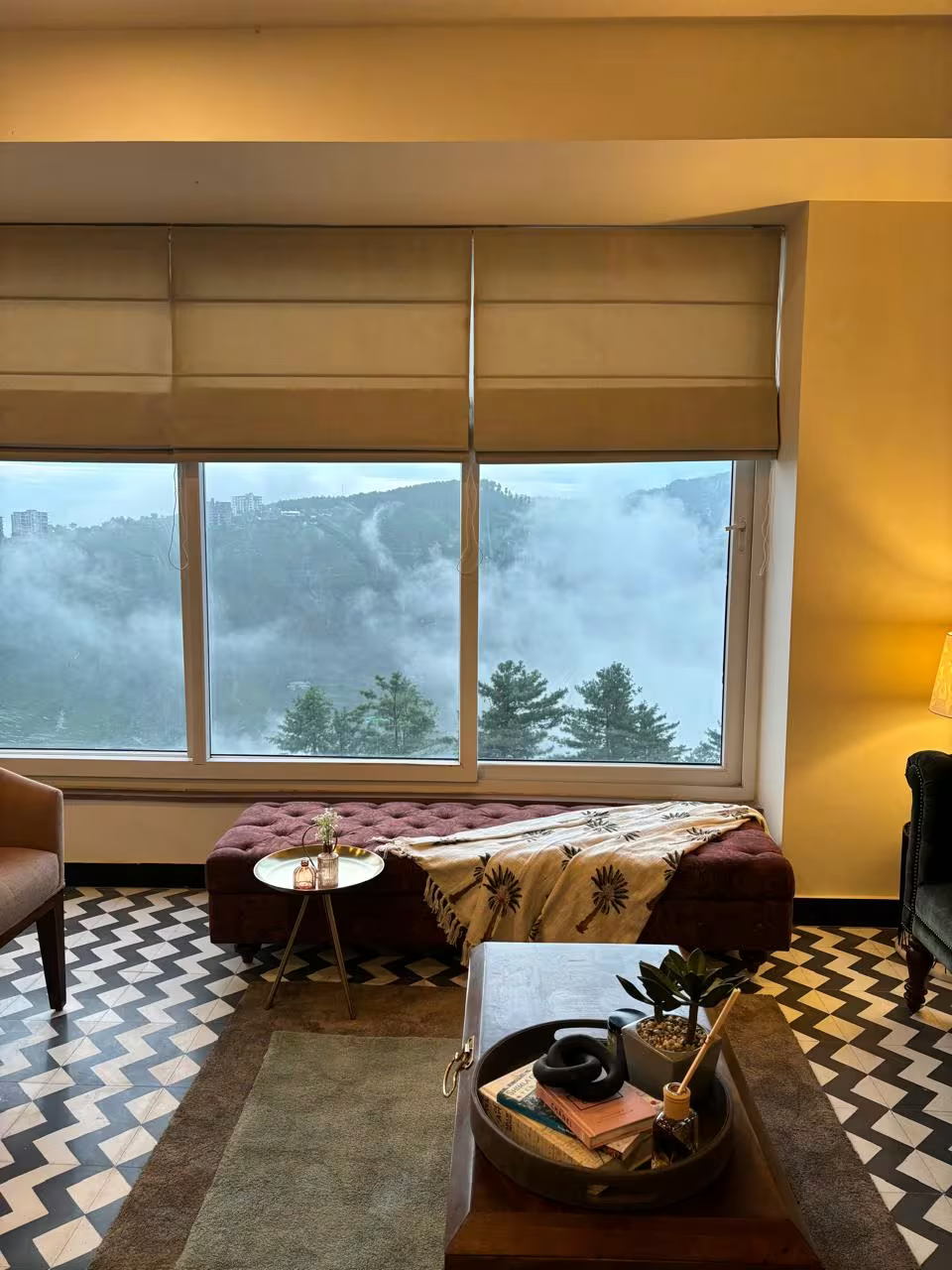
Not every property marketed as a “hill home” is genuinely a mountain home in Shimla. Some are simply plain-style construction placed at a higher altitude, which means they inherit all the disadvantages of elevation — harder access, more weather exposure, without the engineering that actually makes mountain living comfortable and durable. So, if you are looking specifically for a mountain property, it is worth understanding what separates a well-built one from a property that merely happens to be in the hills.
Not All “Hill Property” Is a Mountain Home
A genuine mountain home is designed around its terrain from the foundation up. This means the developer has accounted for slope gradient, soil composition, drainage, and seismic considerations specific to the region, rather than simply adapting a standard flatland blueprint to a sloped plot. The difference is not always visible on a first walk-through, but it shows up over the years in how the structure handles monsoon runoff, temperature swings, and settling.
Buyers who are new to mountain property often do not know which questions to ask here, which is exactly why unscrupulous or under-resourced developers can get away with cutting corners. Asking directly about structural engineering, foundation depth, and drainage design is a reasonable and important question to put to any developer.
The Engineering Question: Why Mountain Construction Is Different
Mountain construction in the Himalayan belt has to account for a seismically active zone, so reinforced structural design is not optional. It also has to manage water very differently from flatland construction, because monsoon rainfall on a slope moves fast and can be destructive if drainage and retaining structures are not properly engineered.
Foundation depth and waterproofing matter more here than almost anywhere else in Indian residential construction. A property that looks identical to a flatland apartment on the surface can have a completely different, and more expensive if done right, foundation and drainage system underneath. This is one of the genuine reasons why a well-built mountain property costs what it does.
Climate and Elevation: What to Expect Through the Year
Shimla sits at an elevation that gives it a distinct climate profile from most of the country. Summers rarely get uncomfortably hot, and winters, while cold, are manageable in a well-insulated, centrally heated residence. This is a meaningful part of the appeal of a mountain home: you are not just changing your address; you are changing your climate exposure for a significant part of the year.
Connectivity and Utilities
Elevation also affects practical things like internet connectivity, power stability, and water supply. These have improved significantly in well-developed hill towns like Shimla, but still vary meaningfully by specific location. So, it is worth asking any developer directly about backup power, water storage capacity, and connectivity infrastructure.
Choosing the Right Elevation and Orientation
Within Shimla itself, elevation and orientation vary considerably between neighbourhoods and even between buildings a short distance apart. Higher elevations generally mean cooler temperatures, clearer air, and better views, but can also mean a longer drive to markets and hospitals. South-facing properties get more sun and warmth through the winter months, which matters more than people expect once they have lived through a harsh winter.
There is no universally “correct” elevation or orientation. It depends on how you plan to use the property, your tolerance for cold, and how often you will be travelling to and from town.
Vivaan Ek Pariwar: A Genuine Mountain Address
Vivaan Ek Pariwar is built at Village Saunl, Baldeyan, Shimla, with the kind of structural attention that a mountain home genuinely requires — proper foundation engineering, drainage planning, and construction suited to the terrain rather than adapted from a plains blueprint. The project is RERA-registered (Registration No. RERAHPSHP08190058) and offers freehold ownership to buyers from across India, across studio, 1 BHK, 2 BHK, and 3 BHK configurations.
Amenities Built for the Climate
Being a genuine mountain address also means the amenities are built to work with the climate rather than despite it: a heated pool for year-round use, reliable power backup, and round-the-clock housekeeping and security that account for what hill maintenance actually demands. It is the kind of infrastructure that separates a mountain home you can live in comfortably from one that merely looks the part in photographs.
Next Step: Visit and Decide
The clearest way to judge whether a mountain property has been genuinely well built is to walk it, ask direct questions about the construction, and see the surrounding terrain for yourself. Vivaan Ek Pariwar offers site visits to prospective buyers for this exact reason. Book one at vivaanekpariwar.in.